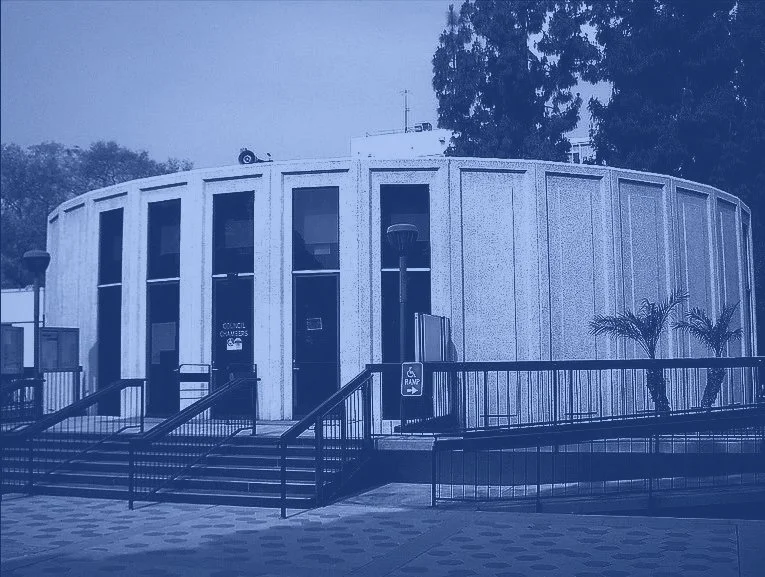
The 2026 candidate for Pomona’s District 2. Jacky Elizalde missed meetings. So did other Pomona commissioners. Their cases concluded with their commissions. Hers went upstairs, and landed before the City Council and followed her onto the November ballot.
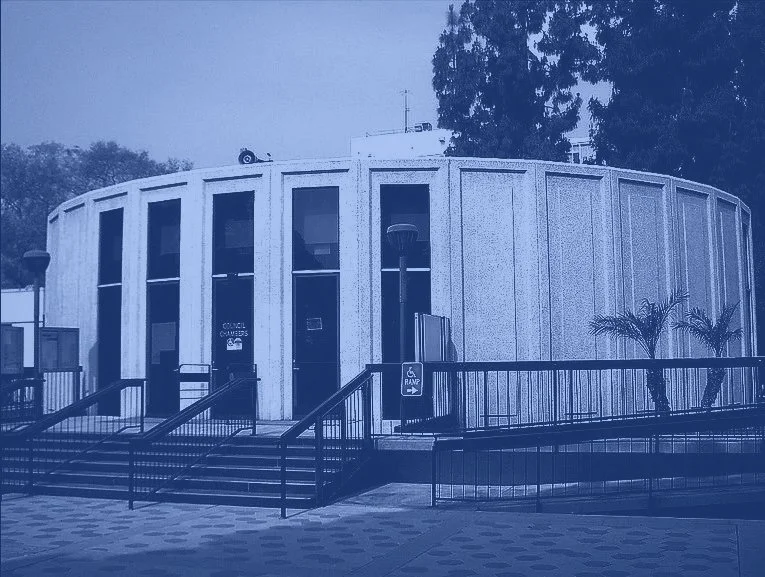
Updated 10/14/2026 5:15 pm PST
Pomona has always had a way of conducting itself when times get hairy by “playing politics”. Nothing cryptic about that. In this particular case Pomona has gone full brow, full beard, or full bush whichever you prefer. The city has had commissioners who miss meetings, it's not breaking news, because shit happens. People get sick. Their kids get sick. Work runs late. Family emergencies happen. Sometimes people simply do not show up because they’re tired of being tired.
The City also has a process for when this happens. The rules are after three absences in a calendar year, excused or unexcused, the commission secretary puts a removal recommendation on the agenda. The commissioners hear the circumstances and decide whether to send the matter to the City Council. Three absences trigger a review.
Ms. Elizalde missed three Parks and Recreation Commission meetings in 2025. Her commission reviewed the absences and voted 7–0 against recommending her removal.
In 2026 she missed three more: March 19, April 17 and June 17. The City classified all three as unexcused. On July 16, the commission tried again. The vote was 3–3. The motion to recommend her removal failed.
Pomona’s bylaws already said what came next. If a commission declines to recommend removal after the third absence, the matter returns after the commissioner misses another meeting. Ms. Elizalde did not miss another meeting first.
Councilmember Elizabeth Ontiveros-Cole stepped in four days later and asked staff to place Elizalde’s removal before the City Council. It is also imperative to understand Ms. Ontiveros-Cole had appointed Elizalde to the commission.
The staff report acknowledged that the motion failed. Then it reached for Section 801(b) of the City Charter, which allows the Council to remove a commissioner by majority vote.
The report said the Council could remove Elizalde “outside of the process established by the standard by-laws.” The attendance process reached one result, so City Hall used another process to reach a different one.
Mayor Sandoval was absent. Councilmember Victor Preciado recused himself. The remaining five council members voted to remove Elizalde on August 3.
Pomona did not bring this kind of heat every time another commissioner hit the same or worse attendance threshold.
Vehicle Parking District Commissioner Alejandra M. Tessier reached three absences in 2026. One involved illness. Another involved a family emergency. Her commission heard her explanation and voted 5–0 to retain her. Nobody escorted Ms Tessier before the full City Council for a second round. She remained on the commission and was still listed as a member in October.
Ethics Commissioner Bernice Stillions reached three excused and unexcused absences in 2025. The Ethics Commission voted 7–0 against recommending her removal. She was still serving in September 2026.
Planning Commissioners John Ontiveros and Edgar Rodriguez each had four absences in 2025. Not three, but four absences.
The Planning Commission discussed their attendance and took no action. The chair said their absences had not delayed the commission’s work. Rodriguez said he had asked to attend one meeting remotely. Both men were still on the commission a year later.
According to Pomona’s Only Local Newspaper, La Nueva Voz their September 24 Issue reported Cultural Arts Commissioner Jovani Esparza was counted for having 15 documented absences since 2019, including four while he chaired the commission. It reported that the City Clerk confirmed Esparza had served as Preciado’s appointee since 2023. That total spans several years; the report did not give a year-by-year breakdown.
Their situations were not identical. Nothing in the bylaws required them to be. The commission review exists so actual human circumstances can be heard before City Hall starts canning people from an unpaid civic position.
Pomona has sent another attendance case toward removal. In February 2025, the City Council had an item recommending the removal of Parks and Recreation Commissioner Audrey Olmos-Govea after three or more absences. The item was pulled after she resigned that day.
Elizalde was not the first commissioner whose attendance became a serious issue. She was the commissioner whose removal motion failed, then got revived by the councilmember who had appointed her. She was also running for City Council against an incumbent.
Emails obtained show Ontiveros-Cole raising concerns with City staff before the commission reviewed Elizalde’s absences. On July 13, she asked Community Services Manager Mike Osoff for an update and wrote, “Where are we on this? I am very disappointed.” Two days later, she told Osoff and three other City employees that Elizalde had been “pardoned in 2025” and had failed to report later absences. She wrote that another commissioner was surprised by Elizalde’s “aloofness” and repeated his claim that Elizalde said she was “not getting paid.” The Pomonan could not independently verify that exchange. After the commission deadlocked 3–3, Ontiveros-Cole asked staff to place the matter before the City Council. The records reviewed by The Pomonan did not include the 2025 letter that Ontiveros-Cole said she had sent concerning Elizalde’s earlier absences.
Ontiveros-Cole did not respond to our request for comments about why she revived the matter or whether Elizalde received the same treatment as other commissioners.
Councilmember Nora Garcia responded after the deadline. She said she supported “the decision and wishes of the appointing Councilmember” because commissioners serve at the Council’s discretion. She also said nothing in the bylaws prevents a councilmember from requesting an appointee’s removal at any time. That explains the power. It does not explain the double treatment.
Councilmember Lorraine Canales said she was not fully educated about what constituted removal and would investigate. No further explanation arrived before publication. The other council members contacted by The Pomonan did not respond.
The Council did not just take away the commissioner seat. On August 4, the City Clerk Karla Shipman told Elizalde she could no longer use “Parks Recreation Commissioner,” the ballot designation she had used during the primary. She no longer held the position. The City gave her until August 7 to choose another label.
Ms. Elizalde replied that City staff had not told her the removal would appear on the August 3 agenda. She said she believed the matter had ended at the commission level with the 3–3 vote.The records reviewed by The Pomonan do not establish whether the City had a separate legal duty to notify her personally beyond posting the public agenda.
The city clerk described the path City Hall used. The Parks and Recreation Commission did not recommend removal because its vote failed. Ontiveros-Cole made a separate request. The Council then used its Charter power to remove Elizalde outside the attendance procedure in the standard bylaws.
On August 7, Elizalde filed a replacement ballot designation: “Nonprofit Director/Mother.” Her alternate choices were “In-Home Caregiver/Mother” and “Oversight Member/Mother.”
A commission refused to recommend removal. A councilmember brought the same commissioner before the Council anyway. Five council members removed a candidate, and the City made her rewrite the words that would appear beside her name on the November ballot.
Missing three meetings did not automatically warrant a removal by a city council. Tessier, Stillions, Ontiveros, and Rodriguez were all able to stay.
Maybe the officials had a cute collection of explanations for treating this case differently. However they did not provide one even when given the opportunity to.
Ontiveros-Cole did not answer. Garcia said she followed the wishes of the appointing councilmember. Canales said she would look into it. The rest offered the familiar municipal sound of an empty room.
Pomona had its rules. The commission voted to not remove her. City Hall removed her anyway. Does Pomona follow its own rules out of conveniency to produce the results City Hall wants?
References
● Pomona City Charter, Article VIII, Section 801(b)
● Elizalde removal file 26-1585
● August 3 City Council meeting
● July 16 Parks and Recreation Commission meeting
● Planning Commission attendance file
● August 28, 2025 Ethics Commission minutes
● City email correspondence
● Elizalde ballot designation works