
Pomona survived warehouses, consultant culture, infrastructure upgrades, privatization deals, and endless promises of revitalization. But somehow protected youth funding is where the city suddenly discovered fiscal panic.
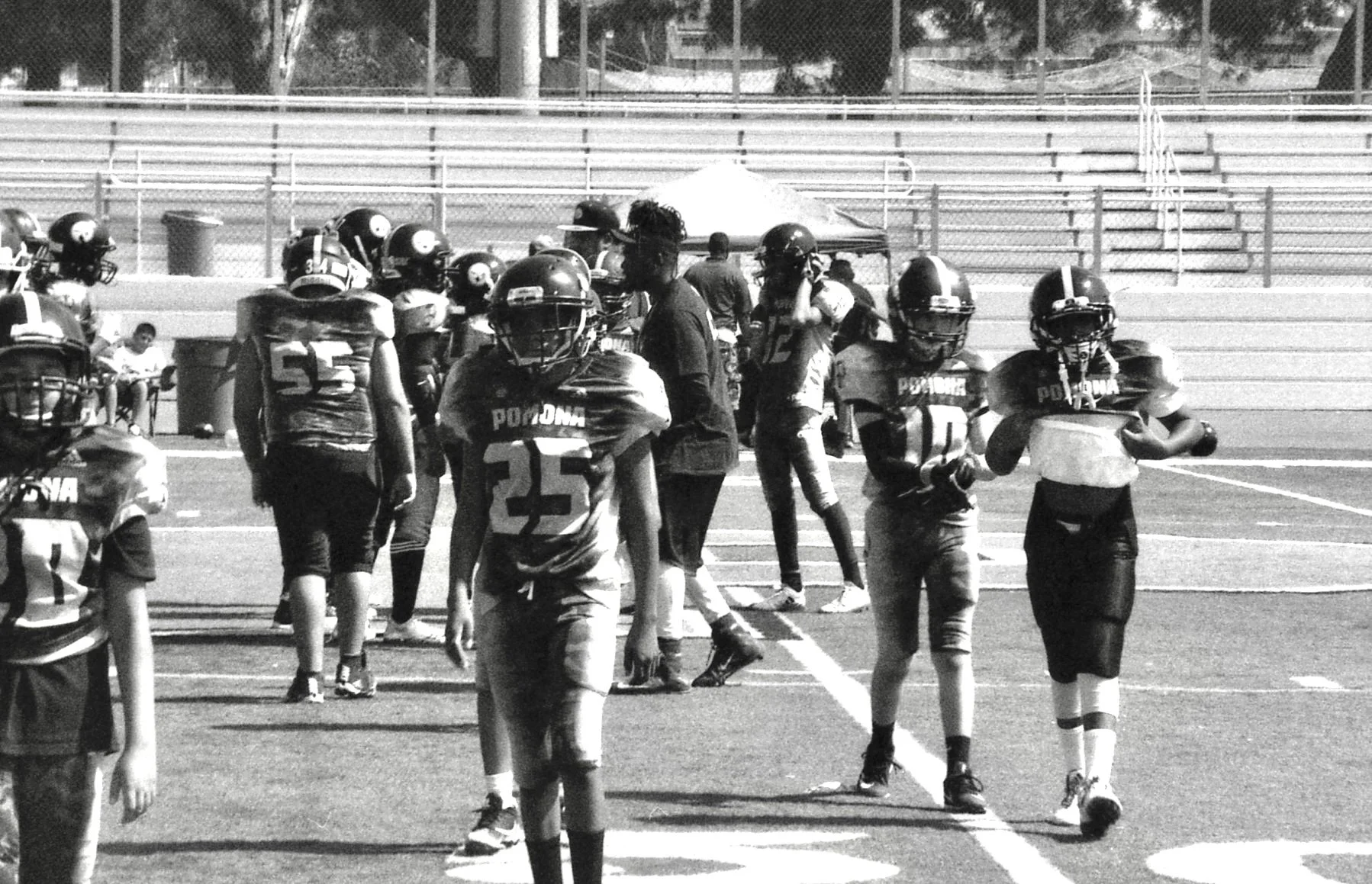
Photography Julian Lucas ©2021
For years, Pomona’s political establishment treated young people the way cities often do, as symbolism. Scholarship photos. Ribbon cuttings. Nonprofit brochures. Election season speeches about “the future.” Everyone loves talking about youth investment as long as the investment remained flexible, manageable, and safely dependent on whichever city council happened to be in power at the time. Then Measure Y passed, and suddenly the same institutional culture that comfortably survived warehouses, mis-match hodgepodge development, privatization deals, consultant culture, and selective reinvestment discovered a deep existential fear about fiscal responsibility. And all of a sudden everyone in the establishment has become an activist.
The city has begun to speak the language of “community.” The Pomona Police Association is now speaking the language of “protecting youth.” The same political culture that spent years approving truck corridors, privatization agreements, endless consultant studies, and development patterns that somehow always seemed to benefit everybody except the people already living here now appears deeply worried that Pomona may financially collapse if young people receive protected investment. Apparently the city survived everything else just fine. Warehouses, giveaways, politically connected nonprofit ecosystems, selective reinvestment, and a municipal addiction to “revitalization” projects that rarely seem to revitalize the same neighborhoods twice, all manageable. But youth funding? That is where the adults draw the line.The performance would almost be impressive if it were not so transparent.
Because Measure Z is not being sold honestly as an attempt to weaken Measure Y. Nobody is standing at the podium saying, “Actually we preferred the old arrangement where youth investment depended entirely on whichever council happened to be in office that year.” Instead residents receive the modern municipal remix. Accountability, sustainability, flexibility, protecting services, responsible implementation. The establishment did not reject the language of reform after Measure Y passed. It learned it like a Hip Hop song, repeating the words confidently long before understanding where they came from. Now everyone suddenly cares deeply about transparency.
It’s rather comical Pomona’s leadership has discovered grassroots vocabulary the same way corporations discover social justice during Pride Month. Overnight. Professionally designed. Of course condescending and full of concern.
And yes, Pomona Police Officers Association is going hard for Measure Z. Which is almost beautiful in its irony. Pomona spent years hearing that grassroots organizers were too emotional, too disruptive, too unrealistic about the city’s finances. Now suddenly the establishment is out here running full campaign mode. Signs, videos, coordinated messaging, carefully rehearsed concern about the future of the city. At this point you half expect to see PPOA members and city council allies sweating on corners waving Measure Z signs like they just discovered activism three weeks ago, buying bacon wrapped hot dogs con todo and Funions con chile from somebody’s abuelita selling on the sidewalk.
Meanwhile, the actual structural changes buried underneath the language of “responsibility” tell a much more interesting story. Public analyses comparing Measure Y and Measure Z argue that the newer measure would dramatically reduce the scale of the original Children and Youth Fund while weakening parts of the accountability framework voters originally approved. According to those analyses, Measure Z changes the funding source entirely, significantly reduces projected revenue, weakens the authority of the Accountability Board, softens participatory budgeting language, removes timelines, and shifts more control back toward traditional city administration.
That is not a technical adjustment. That is the establishment trying to pull the steering wheel back after briefly losing control of the car.
And the funniest part is how carefully the entire thing is packaged. Nobody sounds angry. Nobody sounds defensive. Everything is delivered in the soothing language of adults trying to save the city from reckless idealism. The message is not “we oppose youth investment.” The message is “trust us to manage it properly.” Which in Pomona is particularly rich considering many of the people now warning residents about instability belong to the exact political ecosystem that helped produce the instability residents were organizing against in the first place.
That is what makes the geography of the campaign so revealing. Measure Z signs bloom comfortably through Lincoln Park Historic District, parts of Ganesha Hills, and likely sections of Phillips Ranch. Stable homeowner zones. Established civic territory. The old guard neighborhoods where “community concern” often arrives fastest once funding structures stop revolving around City Hall discretion. Political lawn signs rarely appear randomly. They map anxiety geographically.
And the anxiety here is not really about children. It is about power. Measure Y mattered because it attempted to create protected youth investment outside the city’s normal rhythm of speeches, nonprofit galas, ribbon cuttings, and selective urgency. Young people in Pomona have always photographed beautifully for campaigns. Scholarship students. Honor roll kids. Carefully curated success stories standing beside elected officials holding oversized checks. But Measure Y threatened to move youth investment from symbolic performance into structural obligation. Suddenly future councils could not simply praise young people publicly while redirecting priorities elsewhere privately. That changes relationships inside a city.
Especially a city like Pomona where institutional networks, nonprofits, political figures, commissions, consultants, and civic influence circles often overlap so tightly they begin to resemble one long continuous luncheon.
And so the response arrives wrapped in the language of moderation. Calm voices warning about fiscal collapse. Police associations presenting themselves as guardians of youth investment. Old political structures suddenly play activist grassroots organizing because the actual grassroots organizing worked once and scared the fuck out of them.
Pomona residents should pay attention to that panic.
Because institutions rarely reveal themselves more honestly than when they begin losing control of the narrative.
Julian Lucas is a darkroom photographer, writer, and a bookseller, though photography remains his primary language. He is the founder of Mirrored Society Book Shop, publisher of The Pomonan, and creator of Book-Store and Print Pomona Art Book Fair. And yes he will charge you 2.5 Million dollars for event photography.


