Pomona Police Department

Pomona Reduced Youth Funding. Then It Added $4.1 Million to the Police Budget.

Pomona spent months warning residents that youth funding could gut public safety. Then voters approved Measure Z, cutting the city’s annual youth funding requirement by approximately $6.9 million. But what happened next was not complicated.
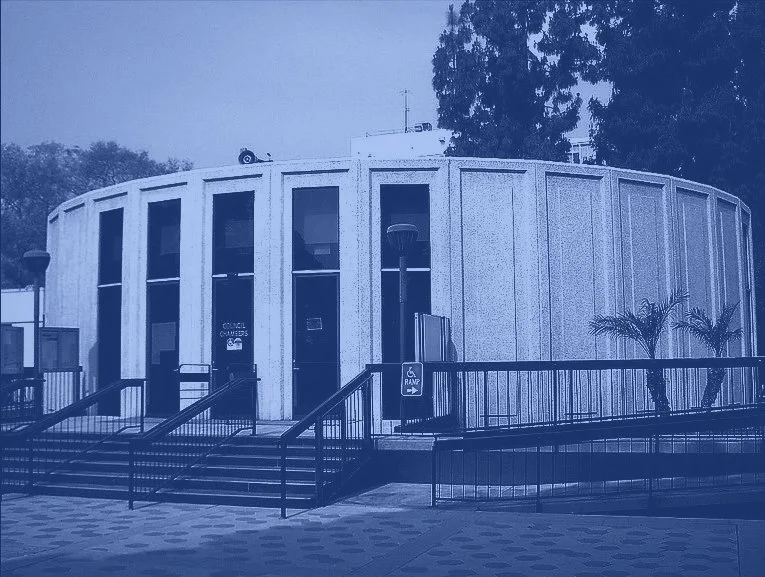
The city restored funding for 24 vacant Police Department positions at a combined salary and benefit cost of $4,117,822.

Police now have a $91.15 million budget. Pomona still expects to spend more money than it receives.

A draft first quarter budget preview lists $91,146,214 for police and a projected General Fund deficit of $7,946,475. The Citizens Oversight Committee is scheduled to review the figures Thursday, October 15.

Police account for 51.1 percent of the city’s amended General Fund spending plan. More than half.

That is not unprecedented. Police represented approximately 51.6 percent of adopted General Fund spending in fiscal year 2022 to 2023. But this year’s increase arrived immediately after the city reduced the amount of money it was required to send to youth programs.

The budget adopted on May 26 allocated $87,028,392 to police. Total General Fund spending was $181,904,077, putting the police share at approximately 47.8 percent.

That police allocation was already above the $80,970,080 adopted for fiscal year 2025 to 2026.

The May staff report blamed the increase primarily on salaries and benefits, pension liabilities, the Homeless Encampment Action Response Team and costs allocated across city departments. Then came Measure Z.

Measure Y, approved by voters in November 2024, required Pomona to send an increasing share of unrestricted General Fund revenue to its Children and Youth Fund. For fiscal year 2026 to 2027, the city budgeted approximately $9.2 million for that transfer. City Hall did not like that number.

Before the June election, the city warned that Measure Y would force deeper cuts to police, fire, parks, streets and other services unless voters changed the funding formula. Voters approved Measure Z on June 2.

Meanwhile, that bright—shiny new public safety panic City Hall is currently shilling? The data was already moving in the exact opposite direction while they were busy fearmongering.

According to the city’s Office of Violence Prevention and Neighborhood Wellbeing, general shootings plummeted 24 percent in 2024 and dipped another 9 percent in 2025. Gun homicides took a massive, 53 percent nosedive in 2024 and slid another 14 percent the year after. Overall homicides? Dropped 25 percent in 2025.

The notable detail is that all of this occurred before voters passed Measure Z, and before officials in Pomona allocated $4.12 million to fund vacant department positions.

While this does not definitively prove that increasing law enforcement budgets is ineffective, it indicates that public narratives regarding rising crime rates contrasted sharply with the city's own statistical data showing a decrease in violence.

Measure Z tied the youth transfer to 10 percent of Bradley Burns sales tax revenue. The city estimated the new transfer at approximately $2.3 million. That is approximately $6.9 million less than the amount budgeted under Measure Y.

Measure Z did not give that difference to police. It did not earmark the money for any particular department. It simply reduced what Pomona was required to transfer to the youth fund, leaving more General Fund money available for everything else.

Money already transferred to the youth fund remained restricted for youth purposes, according to the city’s August report.

In its August 3 budget amendment report, city staff directly connected the passage of Measure Z to restoring funding for 32 vacant positions. Twenty four of them were in the Police Department.

The position schedule lists 14 police officers, three jailers, one police dispatcher, three senior police dispatchers, two police records specialists and one senior police records specialist. The combined salary and benefit cost was $4,117,822.

That amount exactly matches the difference between the police budget adopted in May and the amount shown in the current draft preview.

The positions were vacant and had been left unfunded. These were not 24 employees who had been laid off and brought back to work. Restoring the money gave the department the ability to fill the positions.

The city’s paperwork does not establish that all 24 positions have actually been filled. Measure Y placed real pressure on the General Fund. But it was never the only reason Pomona was running a deficit.

The August report also pointed to labor agreements, the Los Angeles County fire contract, insurance increases and programs that had previously been supported by other funding sources. The May budget projected $170,530,134 in General Fund revenue and $181,904,077 in spending. That left an $11,373,943 deficit.

The draft preview now projects $170,538,069 in revenue and $178,484,544 in spending. The deficit decreased by approximately $3.43 million. It did not disappear.

Total General Fund spending fell by approximately $3.42 million from the amount adopted in May. Police funding went the other way, increasing by more than $4.1 million.

These are annual budget allocations, not amounts already spent. Through September 30, the preview lists $18,680,483 in police expenditures, approximately 20 percent of the amended police budget.

The two page preview does not connect the additional police money to response times, crime rates, case clearance rates or any other measure showing what residents receive for the increase.

It shows what the city intends to spend. It does not show what that spending will accomplish.

City staff warns that the numbers are preliminary and may change before the full first quarter report reaches the City Council.

The Citizens Oversight Committee meets at 6 p.m. Thursday in the Chuck Bader Conference Room. Pomona warned that youth funding threatened public safety. Voters reduced the youth requirement. The city restored $4.1 million for vacant police positions.

And after all that, Pomona is still nearly $8 million in the hole.


SOURCE
Pomona Spent $309,642 Enforcing Sidewalk Vending Rules. It Collected $7,763 in Fines

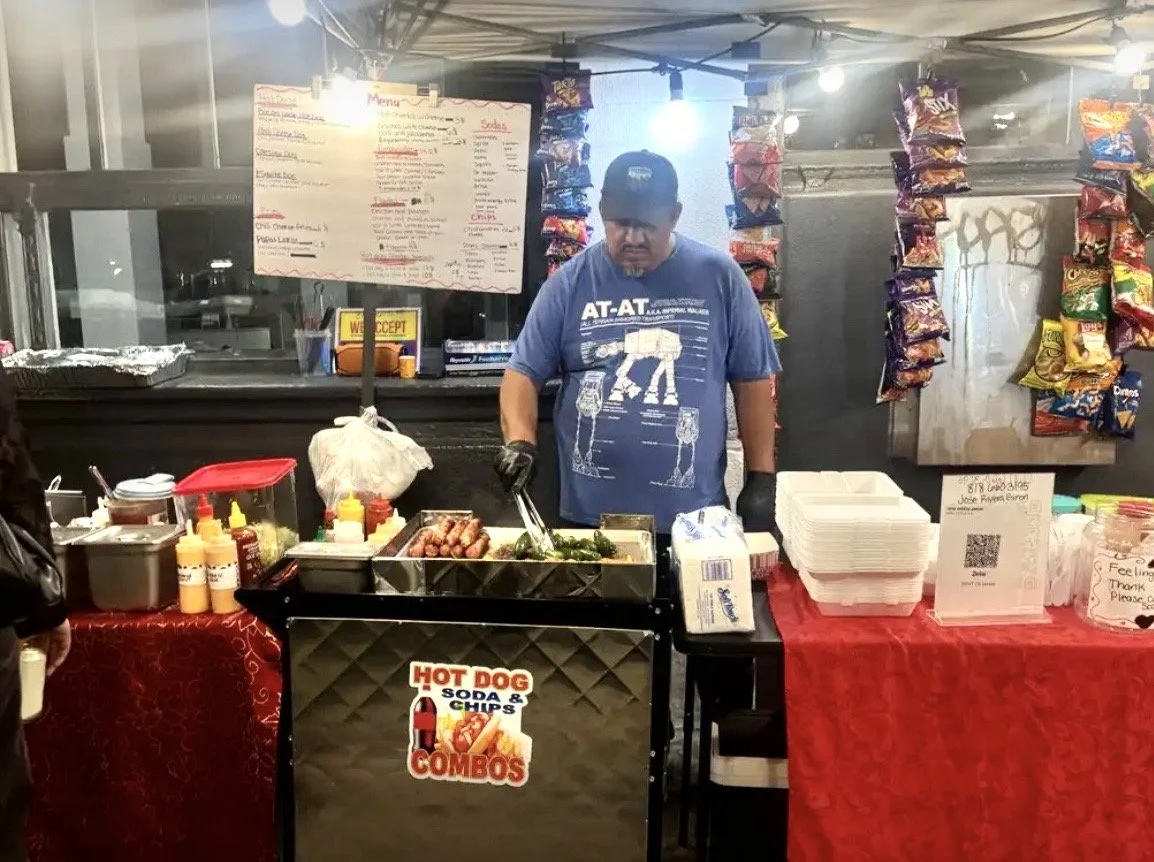
Pomona spent $309,642 in overtime enforcing its sidewalk vending rules over the past two years. The City collected $7,763 from the fines it handed out.

That is one a hell of a gap.

The numbers appear in a new City report scheduled to go before the Pomona City Council on September 21. The report covers the City’s sidewalk vending crackdown from late 2024 through August 2026.

Code Compliance, Public Works and the Pomona Police Department conducted 106 enforcement operations, usually during evenings and weekends. Each operation lasted approximately six hours.

The City issued 419 citations carrying $143,126 in fines. Only about 5.4 percent of that money has been paid.

Pomona also impounded vending equipment 31 times. Vendors returned to retrieve their equipment in four cases. The report does not say what happened to the other 27 impounds.

The City Council originally approved $200,000 in overtime for vending education and enforcement during the 2024 to 2025 fiscal year. The reported overtime expenses have now passed that amount by $109,642.

Code Compliance spent $127,647. Police spent $116,078. Public Works spent $65,917.

There was no money specifically budgeted for sidewalk vending enforcement during the following two fiscal years. The departments are now pulling those expenses from their regular overtime budgets.

All of this was done to enforce rules against a fairly small group of permitted vendors.

Pomona issued 44 sidewalk vending permits during the reporting period. Only 16 are currently active. Eighteen expired and are waiting for renewal. Six businesses closed. Three permits are inactive and one application remains unprocessed.

The permits brought in $7,832. Add that to the $7,763 collected in fines and Pomona received about $15,595 while spending $309,642 in overtime.

The program was not necessarily created to make money. But the numbers raise an obvious question about what Pomona received for what it spent.

Before enforcement began, the City says Code Compliance spent 45 days conducting street outreach. More than 150 verbal warnings and referrals were given to vendors.

Pomona and the Los Angeles County Department of Public Health held a workshop in November 2024 that attracted more than 80 people. Another workshop held in January 2026 drew approximately 50 to 60 people.

The report says vending brochures and workshop flyers were provided to Gente Organizada and the Pomona Economic Opportunity Center to assist with outreach. It does not say either organization supported the ordinance or participated in enforcement.

Gente has published criticism of the City’s approach.

In a February 27 op-ed published by Gente Organizada, Cal Poly Pomona sociology professor Bianca N. Haro-Villa wrote that the ordinance had pushed vendors from Pomona’s streets while imposing requirements many immigrant, low income and renting families could not realistically meet.

Haro-Villa wrote: “Los vendedores ambulantes son empresarios, no criminales” — “Street vendors are entrepreneurs, not criminals.”

She also argued that the options presented at the City’s January workshop, including home food businesses and private markets, did not reflect how many vendors actually live and work.

Still, fewer than two dozen sidewalk vending permits are active.

Street vendors must first receive a permit from the County Department of Public Health. Pomona will not accept their city applications without it. Vendors must also carry liability insurance, which City staff says can cost approximately $30 per month.

The City says insurance protects Pomona, vendors and the public when accidents, foodborne illnesses or property damage occur. Los Angeles city and county do not require sidewalk vendors to carry similar insurance, according to the report.

No claims or lawsuits related to sidewalk vending were filed during the reporting period. The last claim against Pomona involving sidewalk vending was filed in 2022.

The report leaves out quite a bit.

It does not say how many individual vendors received the 419 citations. It does not identify where the 106 enforcement operations happened. It does not say how many fines are being appealed, how many vendors were repeatedly cited or whether cited vendors eventually received permits.

It also does not explain what the City plans to do with the 27 impounded carts and pieces of equipment that were never retrieved.

The council is not being asked to change the vending law Monday. The report sits on the consent calendar, where the council is being asked to receive it and place it on file.

For now, the clearest result is sitting inside the City’s own numbers: $309,642 in overtime, 419 citations and $7,763 collected.

Read the City’s full sidewalk-vending enforcement report here


The Pomonan is an independent publication of essays, criticism, photography, and cultural commentary.

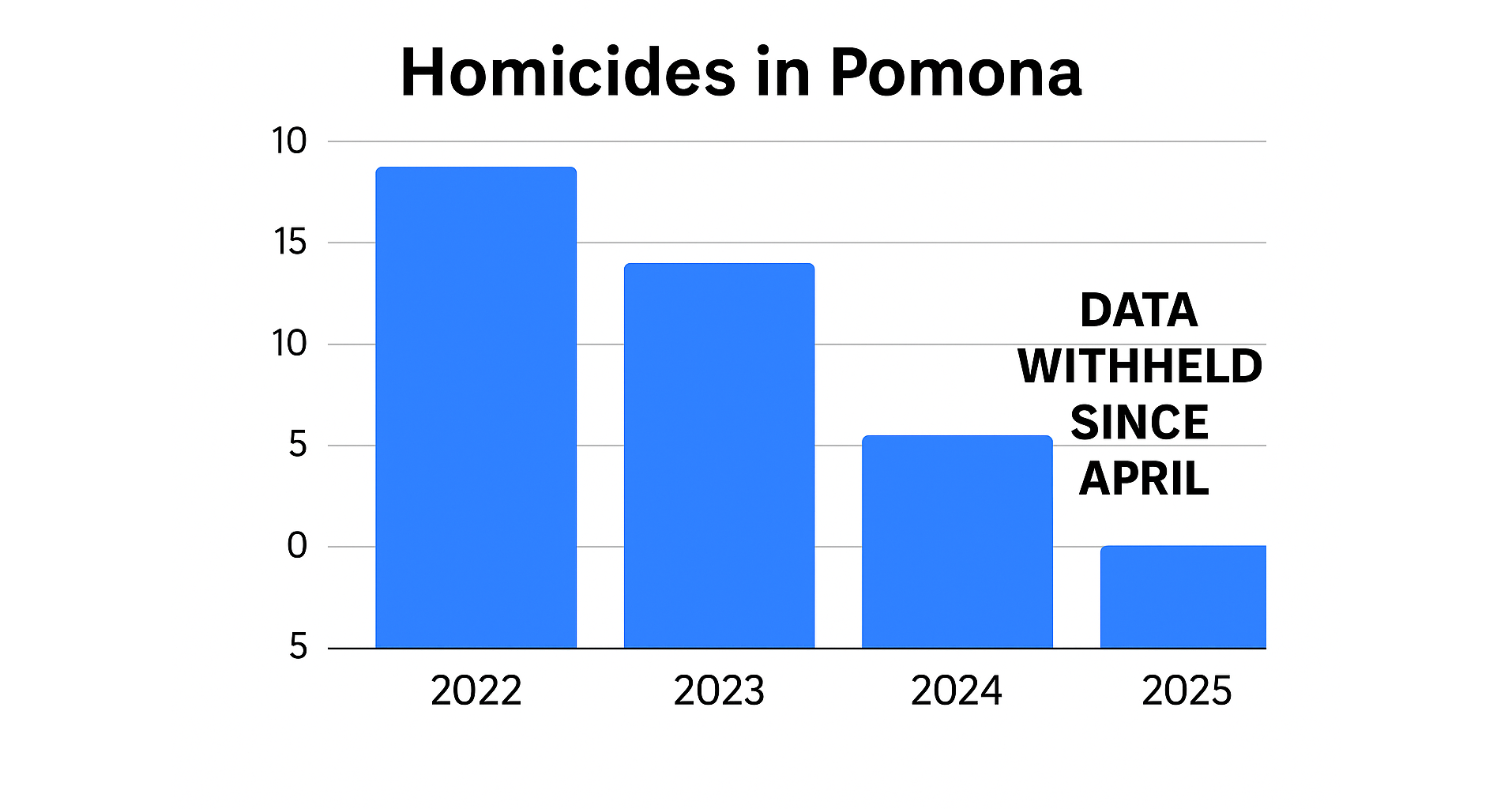
Pomona PD Withholds Homicide Data Despite Law

In Pomona, victims don’t even get a sentence. No report. No record. No responsibility.

For the last four years, The Pomonan has tracked homicides in our city because no one else consistently has. Our Homicide Reports for 2022, 2023, 2024, and now 2025 have served as a quiet but critical record of loss, names rarely given, but lives never ignored. We track dates. Streets. The silence. And we do it without a newsroom, without a budget, without institutional protection.

But this summer, something changed. Or rather, it didn’t.

On July 23, 2025, multiple residents reported an alleged homicide near East Holt. Witnesses described seeing heavy police presence and crime scene tape, yet no public statement was ever issued. Unlike earlier cases this year, the Pomona Police Department has withheld even the most basic details: the date, location, the fact that someone may have died.

When a California Public Records Act (CPRA) request asking for basic summary information on all homicides from January 1 to July 31, 2025 I didn’t ask for anything sensitive. No autopsies. No suspect files. Just the information they used to provide:

  • Date and time

  • General location

  • Victim demographics

  • Case status

  • Assigned unit

  • Incident number

They denied the request.

The reason? A vague invocation of Government Code § 7923.600, usually reserved for withholding investigative files. But full investigation were not requested. What was asked for is what they usually release themselves on Nixle.

In fact, the Pomona Police Department posted a homicide report as recently as April 25, and even reported an attempted homicide on August 14. The contradiction is glaring.

When Transparency Becomes Optional

It’s not just about a missed press release. It’s about trust. It’s about a public institution deciding when the public gets to know someone has been killed in their community.

Pomona has a long, uncomfortable relationship with image management. What doesn’t get reported still happened—but if it’s not acknowledged, is it easier to pretend we're safer than we are? Is that the calculation?

When an app built for lost dogs and lawn sales out performs on informing the public than City Hall, something’s wrong.

What Comes Next

The City of Pomona and its Police Department were legally required to respond to the public records request within 10 days, as mandated by California law. More than 25 days have passed.

The matter is now under escalation, with the First Amendment Coalition and legal advocates formally informed. If necessary, I’ll file a writ of mandate in Superior Court. Not because I want to, but because I shouldn’t have to fight for information the public is entitled to.

Because if they don’t have to tell us someone died in our city, what else can they keep from us?

If someone in your family has been lost to violence this year, the City of Pomona may not be publicly acknowledging it. That silence speaks volumes.


Julian Lucas is a photographer, writer and provocateur committed to documenting what power tries to hide. Julian is the founder of The Pomonan and founder and owner of Mirrored Society, a bookshop dedicated to fine art books. His work, on the page, in the darkroom, and in the streets, documents what institutions try to forget. He publishes what others try to bury.