Review

Kara Walker Did the Update American History Needed

Photography Julian Lucas ©2025
The Brick, Los Angeles

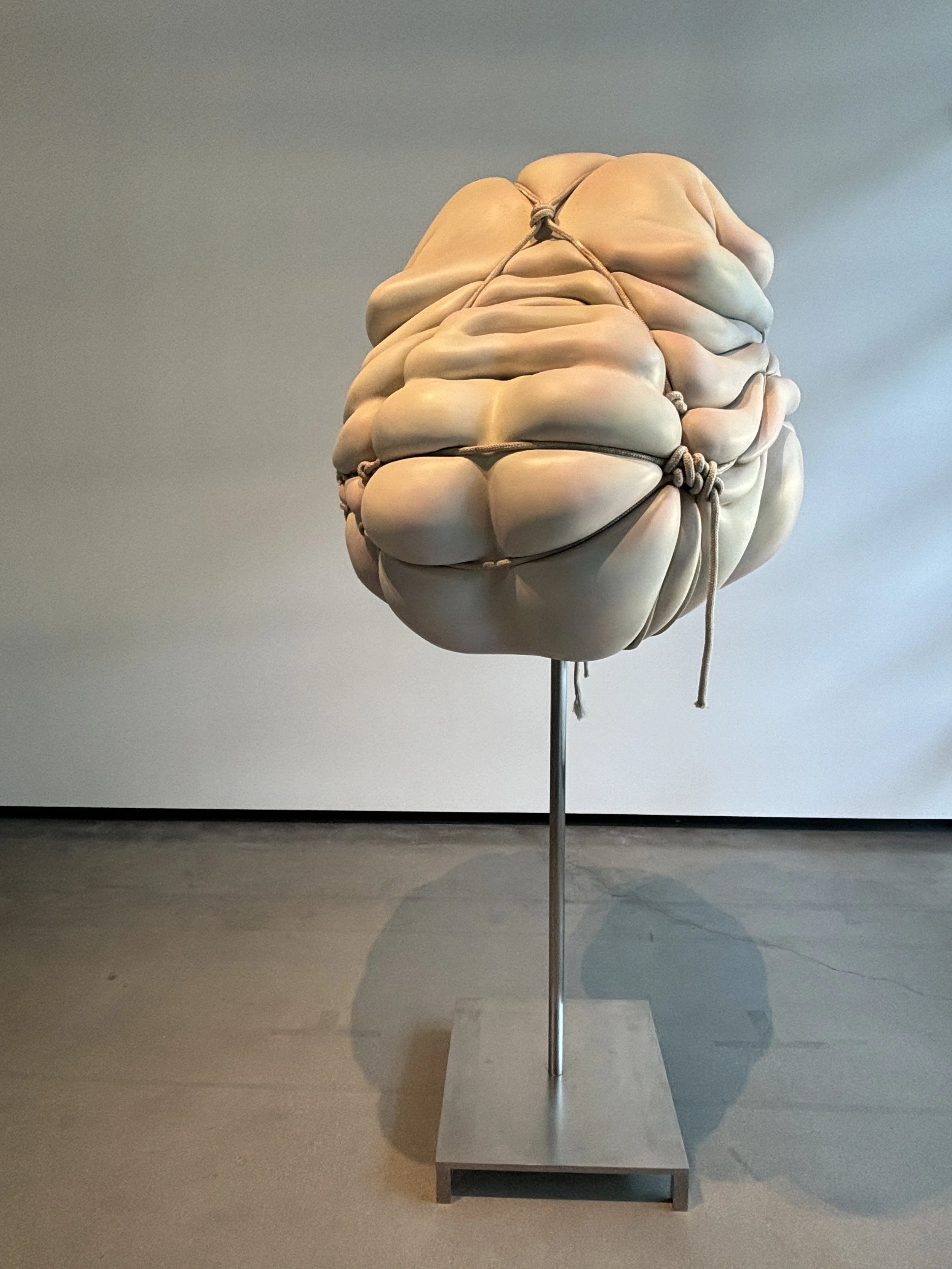
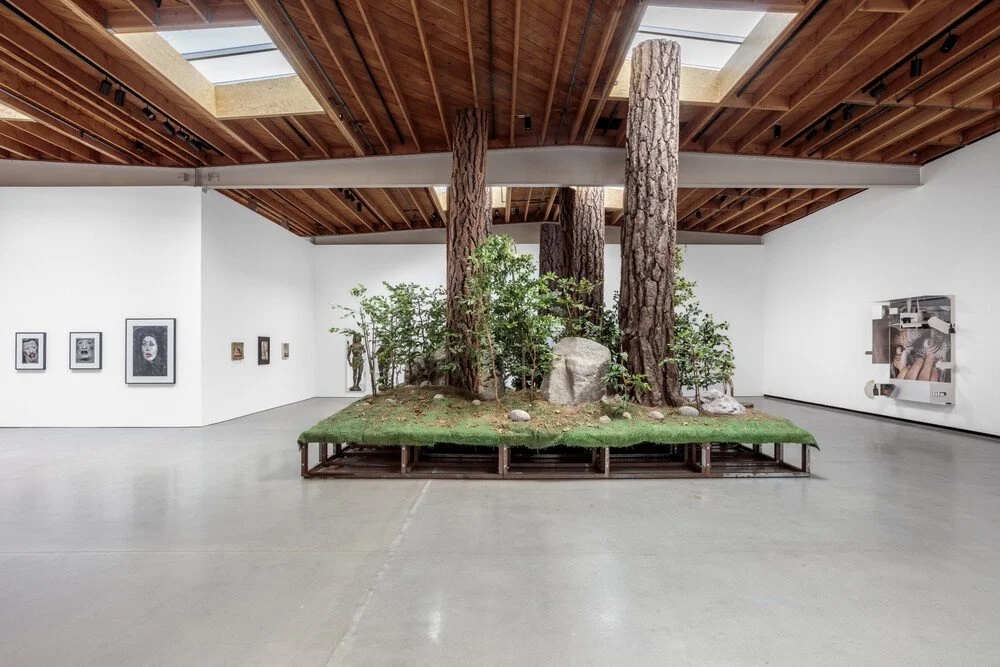
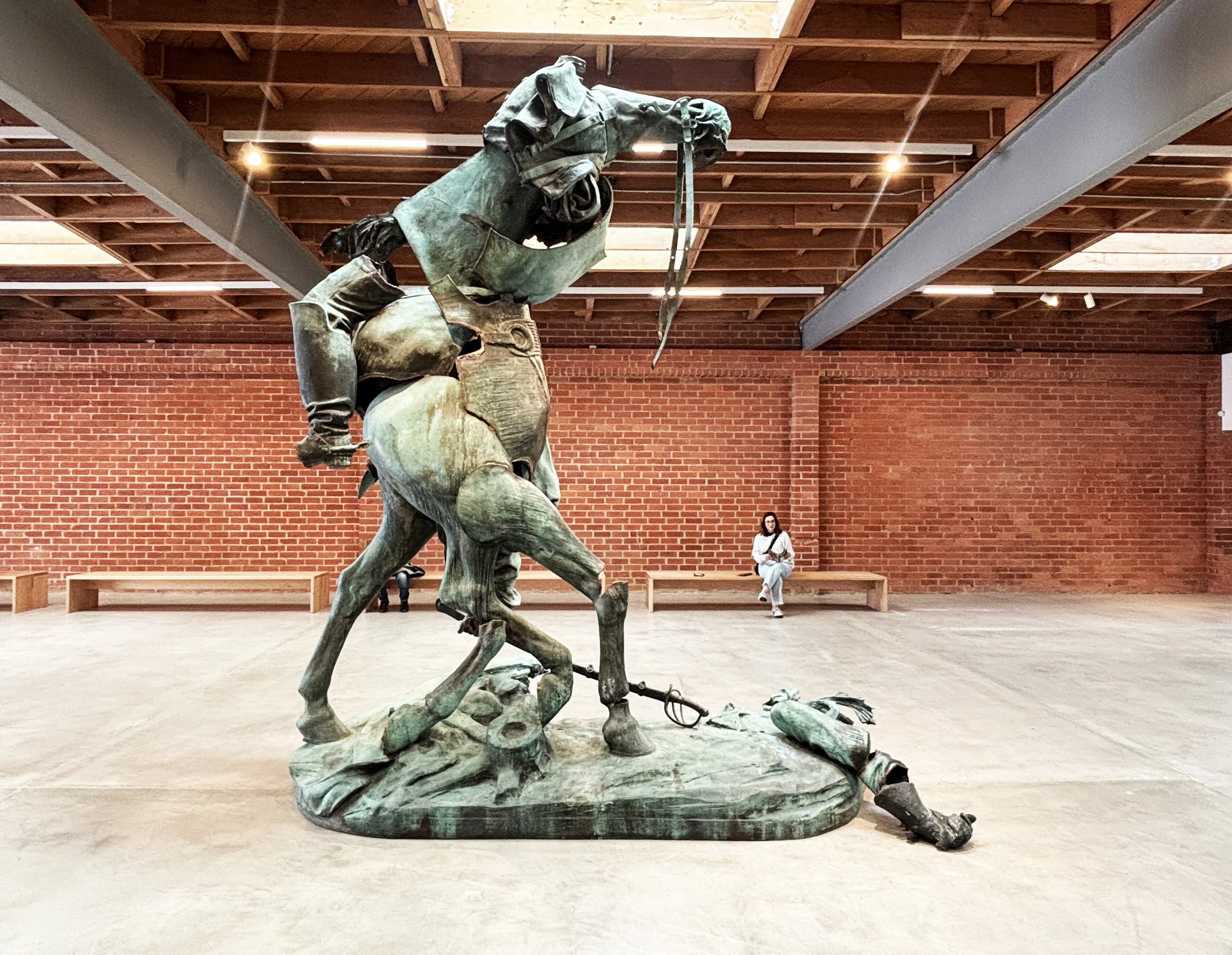
I’ve been sitting with this for a minute, and what strikes me is how an empire manages to lose twice. First in the history books, and then again in bronze, remixed into a monument to its own foolishness. Kara Walker understood that instinctively. She didn’t just reconfigure a Confederate statue. She committed a kind of artistic autopsy. She cracked open the myth, scooped out the romance, and laid the carcass on the Brick Gallery floor for all of us to inspect.

Kara Walker didn’t just tear apart a Confederate monument. She cut Stonewall Jackson into pieces, or whatever was left of his mythology, and rebuilt him as a warning instead of a worship piece.

What’s left isn’t a hero.
It’s not even a warning.

It’s a mess,  a disoriented horse and a dismembered rider who looks like he died fighting for the right to be forgotten.

And honestly?
May he rest in irrelevance.

Because for me the Confederacy has always been America’s longest running joke, a punchline carved into stone, and elevated onto pedestals, and all shined and polished by those who are desperate to pretend losing was an ideology. These bronze horsemen were supposed to look noble, unshakeable and righteous. Instead, they age like arrogance always does, badly.

Standing in front of Walker’s Unmanned Drone, I felt the weight of every lie America ever tried to hand me about men like the one melting at my feet. I felt the psychic distance between who they thought they were and who they actually were. I felt the heat of history, not as abstraction, but as evidence. As a body. As a crime scene without the yellow tape, finally exposed to the air.

And as a Black man, standing before what used to be a monument designed to intimidate people like me, the moment feels almost holy. There’s no reverence here. No nostalgia. No grief. Only clarity. And clarity is a kind of justice.

It feels abstract, but with clarity.
It feels like the first deep breath after centuries of holding one. It feels like someone finally turned on the lights.

This isn’t neutrality.
This isn’t objectivity.
This isn’t a museum whispering politely about “historical complexities.”

This is the truth, and the truth is loud.

What academic writers won’t say out loud, I’ll say plainly, these monuments were propaganda campaigns for losers. They were emotional support statues for white supremacy, public therapy for men who couldn’t accept reality. They weren’t built to honor the dead, they were built to intimidate the living.

People that look like me.

People who weren’t meant to see themselves in museums except as exhibits, not interpreters. But those times have changed.

When entering the gallery to see this Confederate figurehead on view stripped of dignity, literally limbless, headless, purposeless, I don’t feel grief. I don’t feel reverence. I don’t feel “complicated.”

I feel right.

I feel a sense of belonging in a way America rarely allows Black people to feel.

Because for once, I’m not the one doing the explaining.

The monument is.

It explains exactly what happens when a society builds idols out of hatred.
It explains what happens when myth collapses under its own weight.
It explains why the Confederacy’s spirit still haunts this country, drifting through policies, police budgets, voting laws, and suburban fear and panic even after its statues fall.

And Walker, with that razor wire genius of hers, gives us the ruins, not the retelling.
The bones, not the biography.

There’s something almost biblical in the way she dismantles this figure. Something righteous in the deconstruction. Something liberating in the aftermath.

It’s as if she’s saying many will see this as vengeance. But this is truth, and truth doesn’t apologize.

People love to ask why Black writers, Black thinkers, Black artists and Black people can’t “move on.” They say it with that condescending tone, the tone of people who think time heals all when they have been so privileged that time has never struck them. But standing in front of Walker’s sculpture reminds me why we don’t move on.

Because the past isn’t past.
It’s sculpted.
Funded.
Installed.
Protected.
And sometimes, finally, dismantled.

The Confederacy lost the war.
Walker makes sure it keeps losing.

And I’m grateful.
Grateful to see the myth cracked open.
Grateful to see the bronze unravel.
Grateful to stand eye-level with a fallen idol and feel nothing but relief.

This isn’t revenge.
This is record correction.
This is narrative sovereignty.
This is the art America didn’t know it needed because it never thought Black people would someday be the ones writing the captions.

The Confederacy stays losing.
And if this sculpture is any indication, the losing has finally started to look honest.


Kara Walker: Unmanned Drone 
The Brick, Los Angeles
October 23, 2025 – April 11, 2026


Julian Lucas is a darkroom photographer, writer, and a bookseller, though photography remains his primary language. He is the founder of Mirrored Society Book Shop, publisher of The Pomonan, and creator of Book-Store and PPABF. And yes he will charge you 2.5 Million for event photography.

Superchief Gallery Los Angeles: Foos Gone Wild Debuts Groundbreaking Art Exhibition

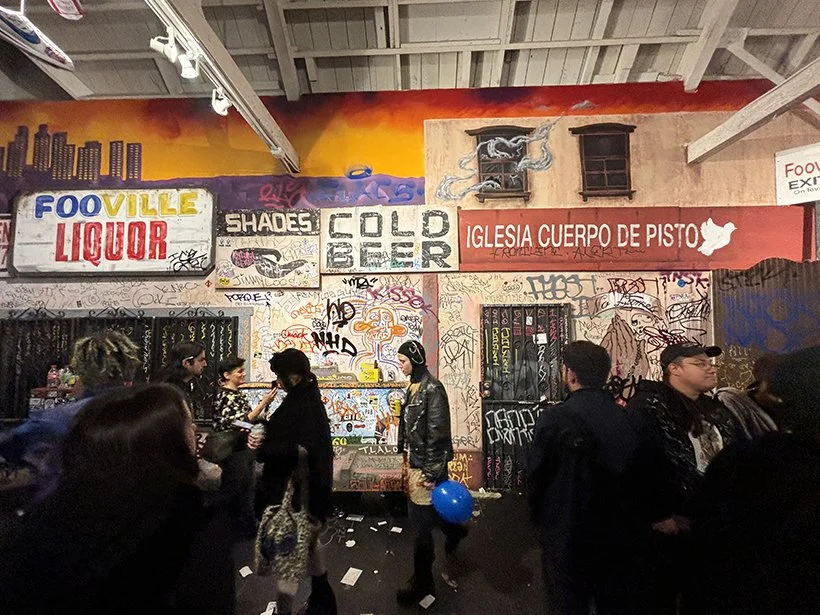
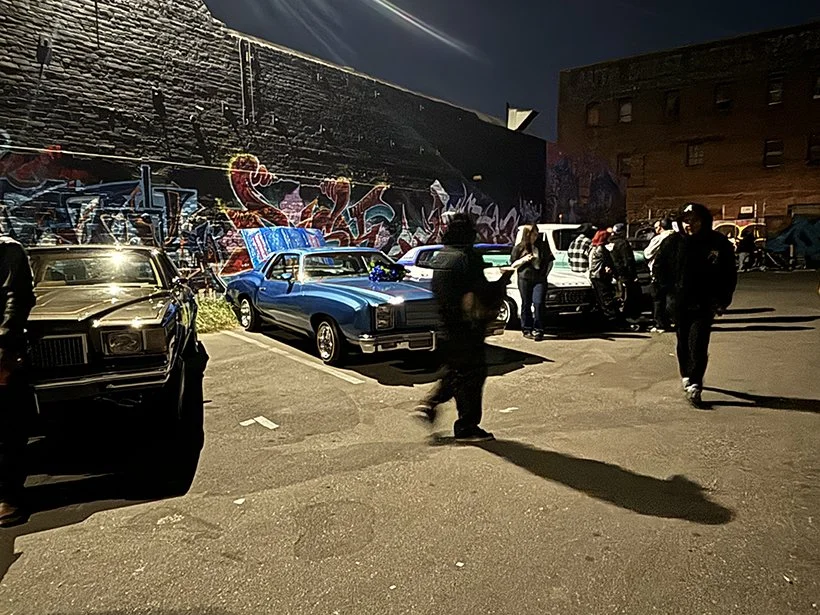
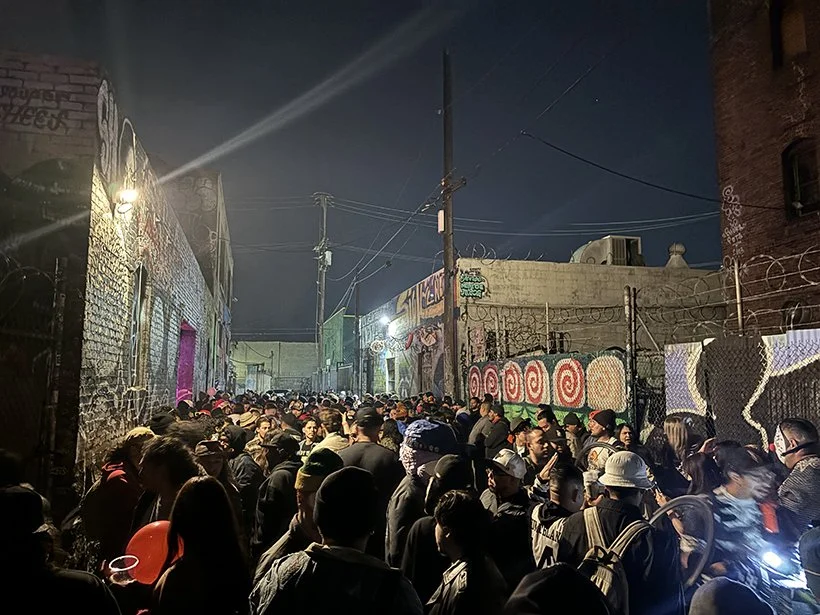
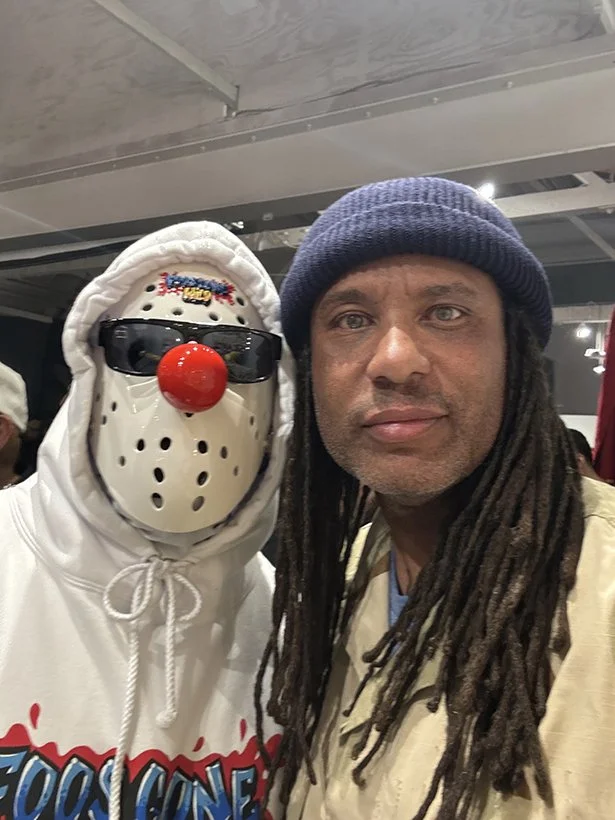
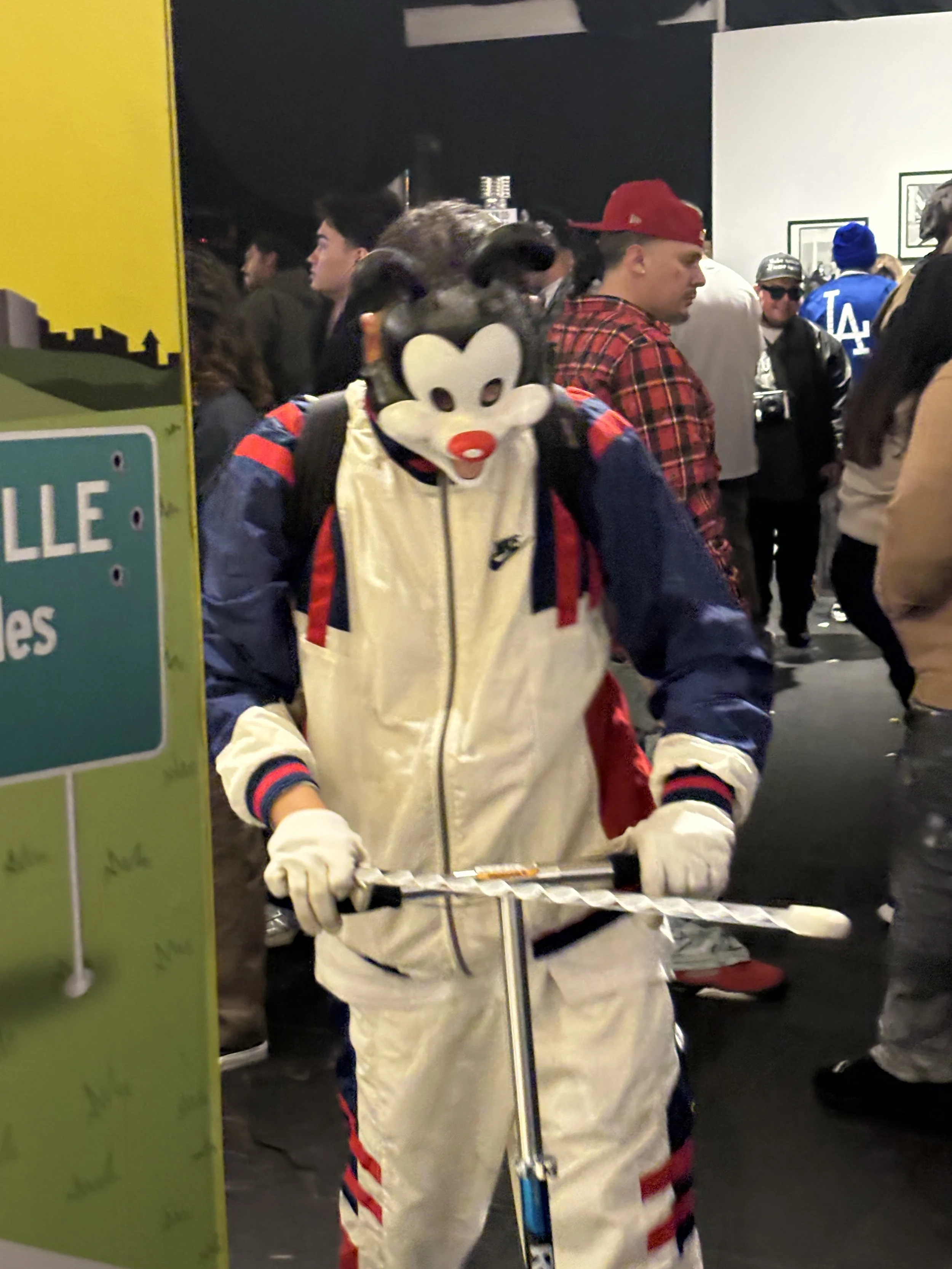
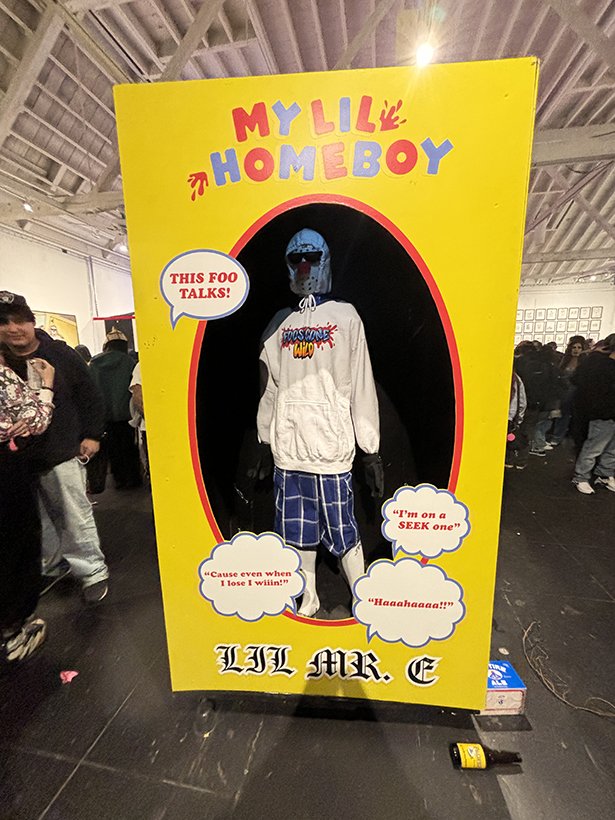
Los Angeles, CA — Earlier this month Superchief Gallery delivered the grand crescendo with its new exhibition ‘Law Abiding Citizen’ a Foos Gone Wild exhibition, curated by LA’s own photographer Estevan Oriol, and to note this is Mr. Oriol’s first curation and its about damn time!

This one-of-a-kind art exhibition brought a city that’s all familiar to most of us, also known as “the hood” inside an art gallery transforming the raw hilarity of “foos” into a full-on immersive experience without VR goggles, resulting in a sensory explosion. Paintings, an installations that resembled a kiddie ride outside of the local market featured yeska, and a circus tent with a pole dancer and more, but we’re not gonna tell. It’s a place where cultural pride meets pure chaos, proving once and for all that foos aren’t just gone wild, foos gone artsy.

Jeffrey Deitch Resurrects his Seminal 'Post Human Exhibition After Three Decades

Photography Joshua White

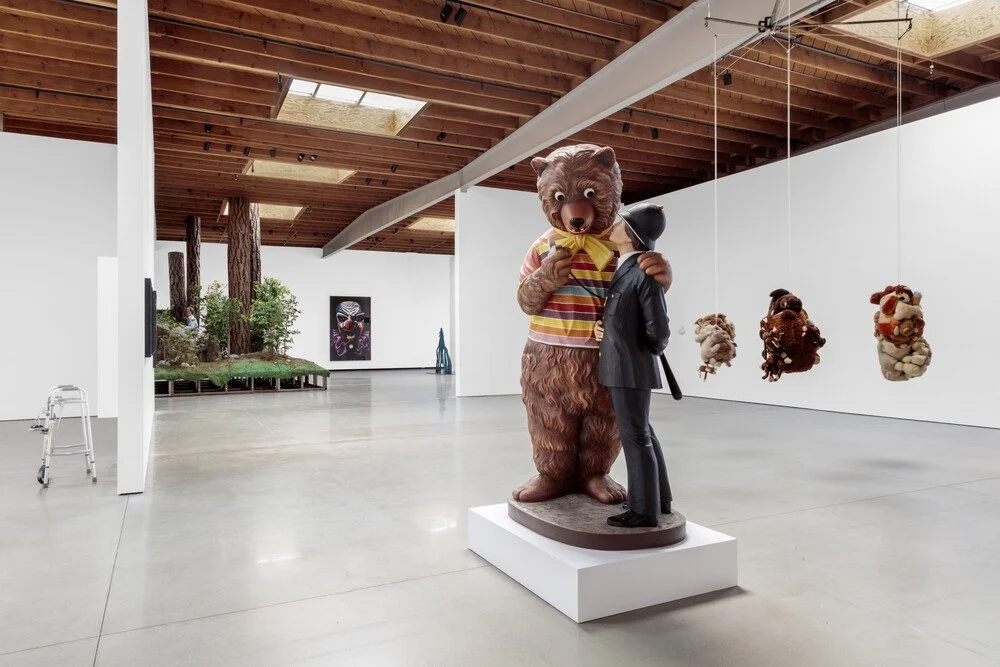
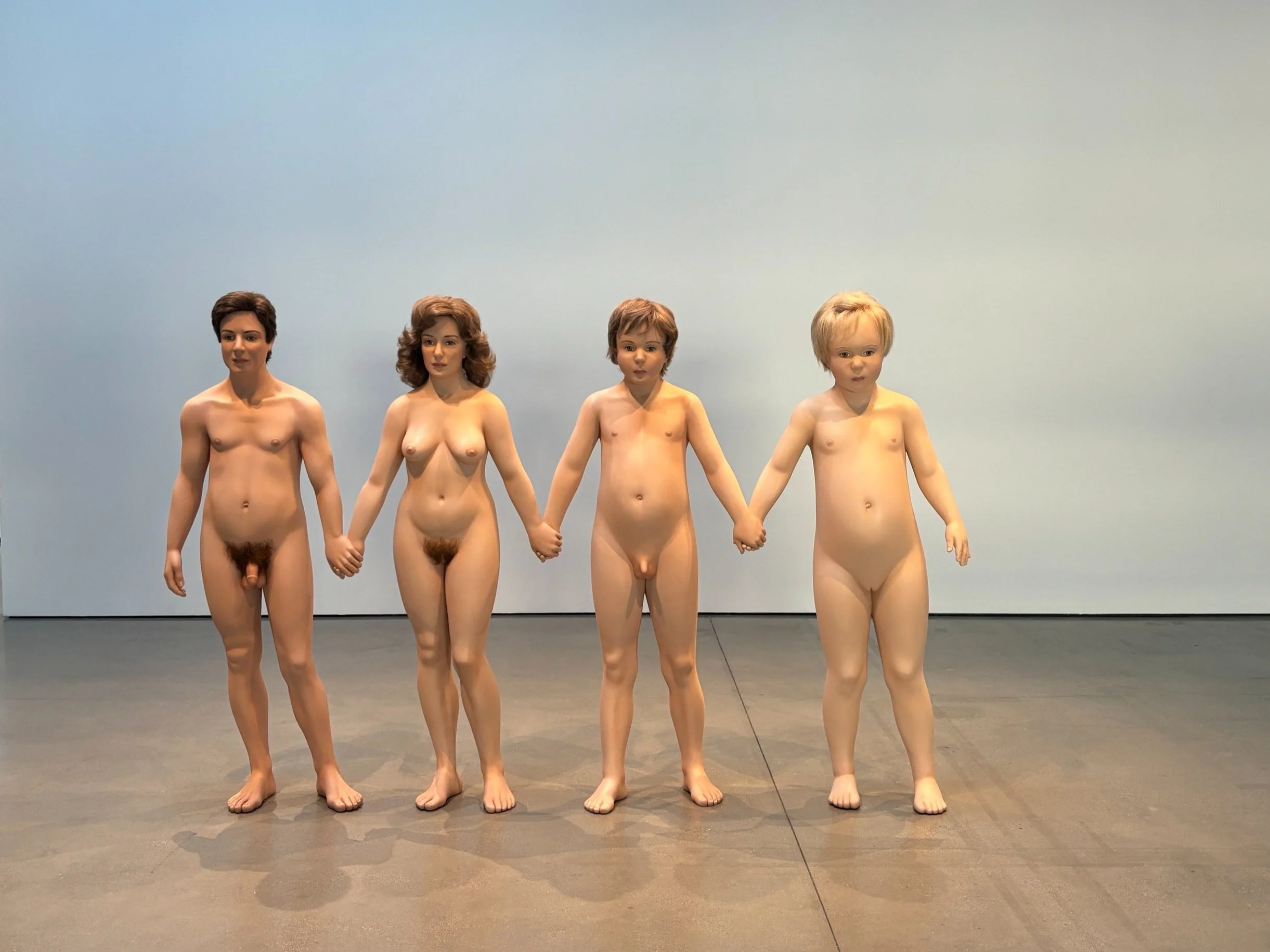
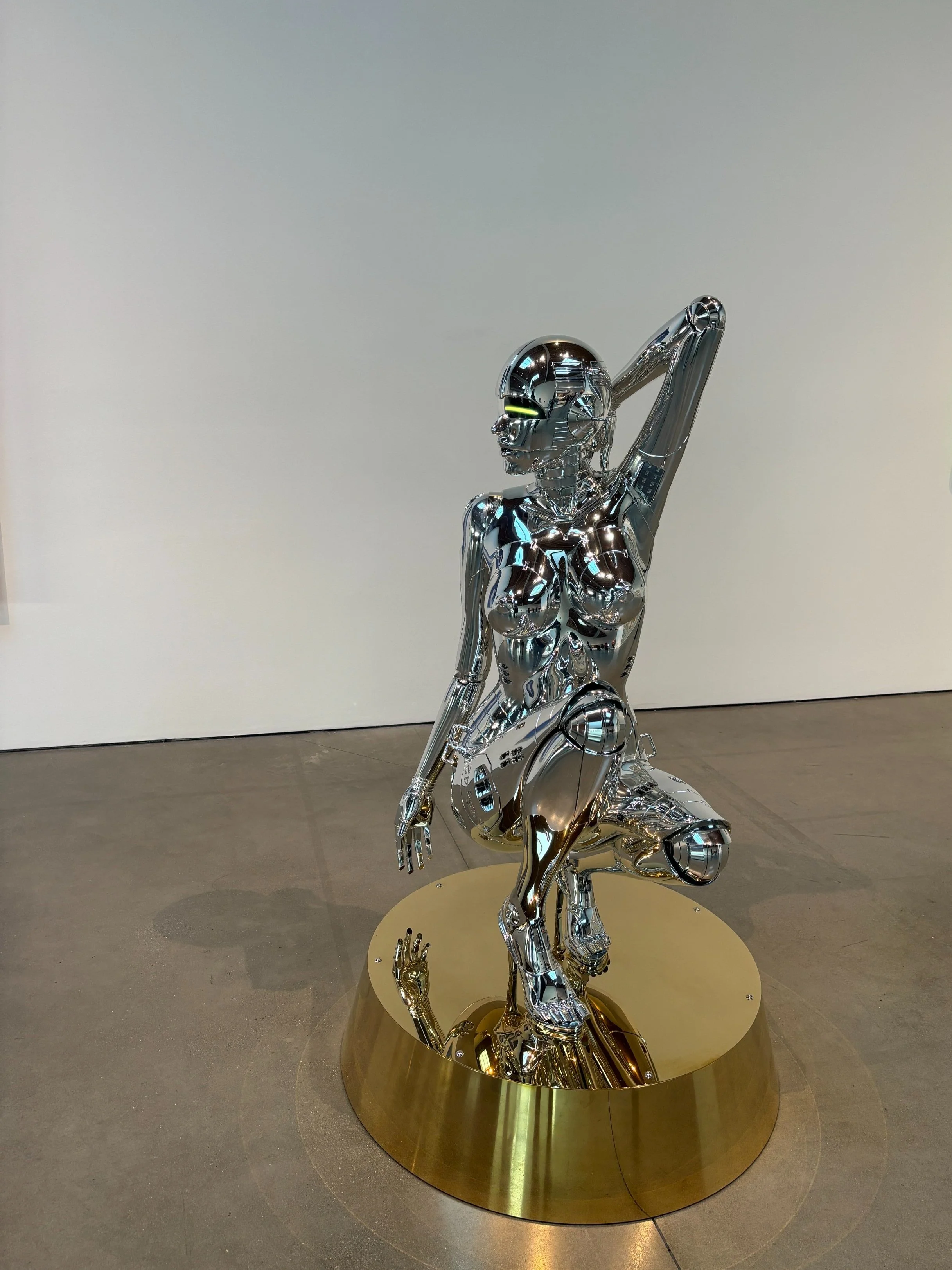
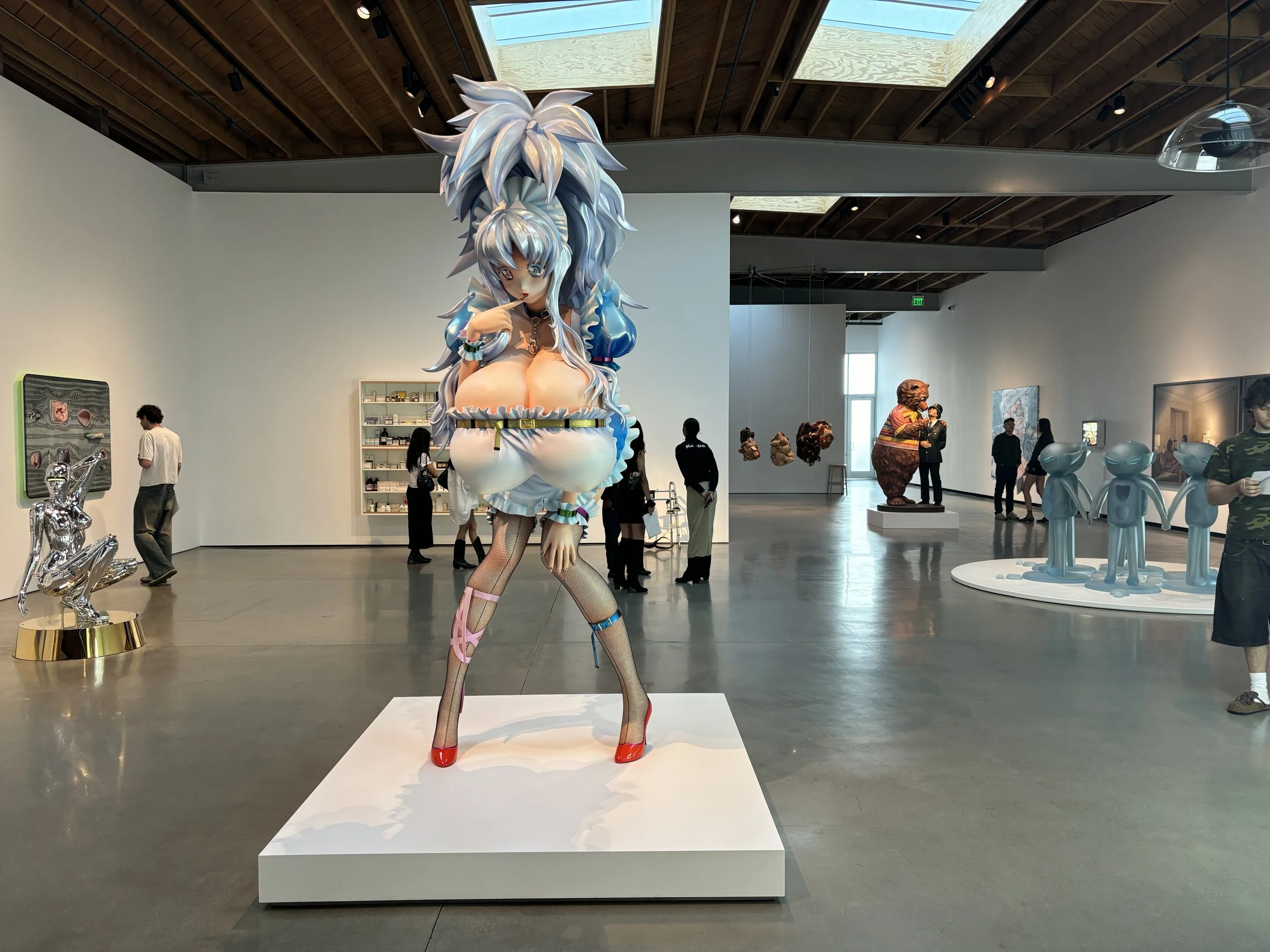
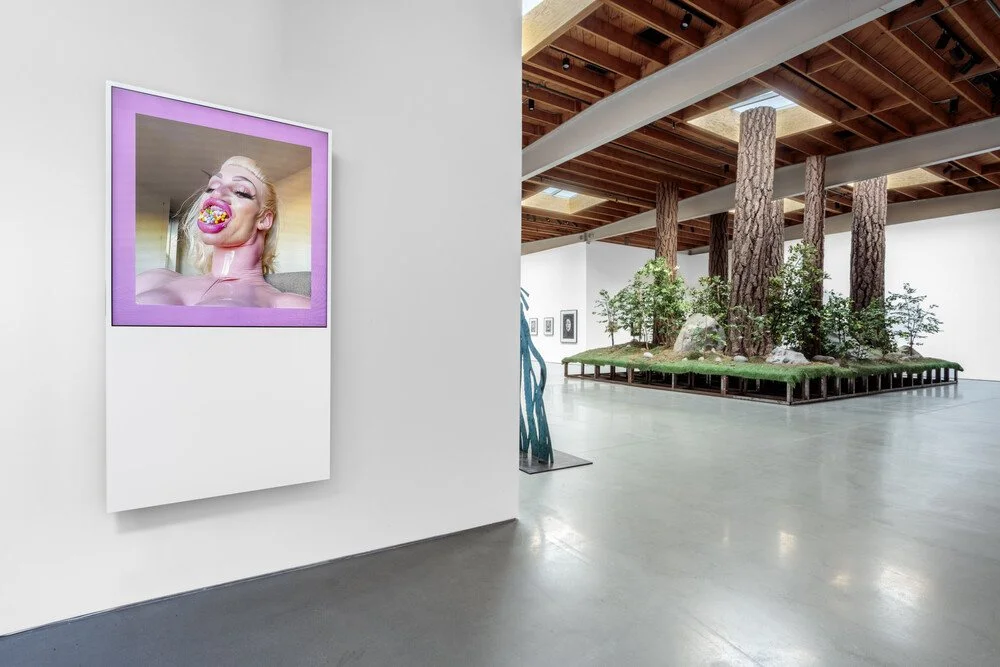
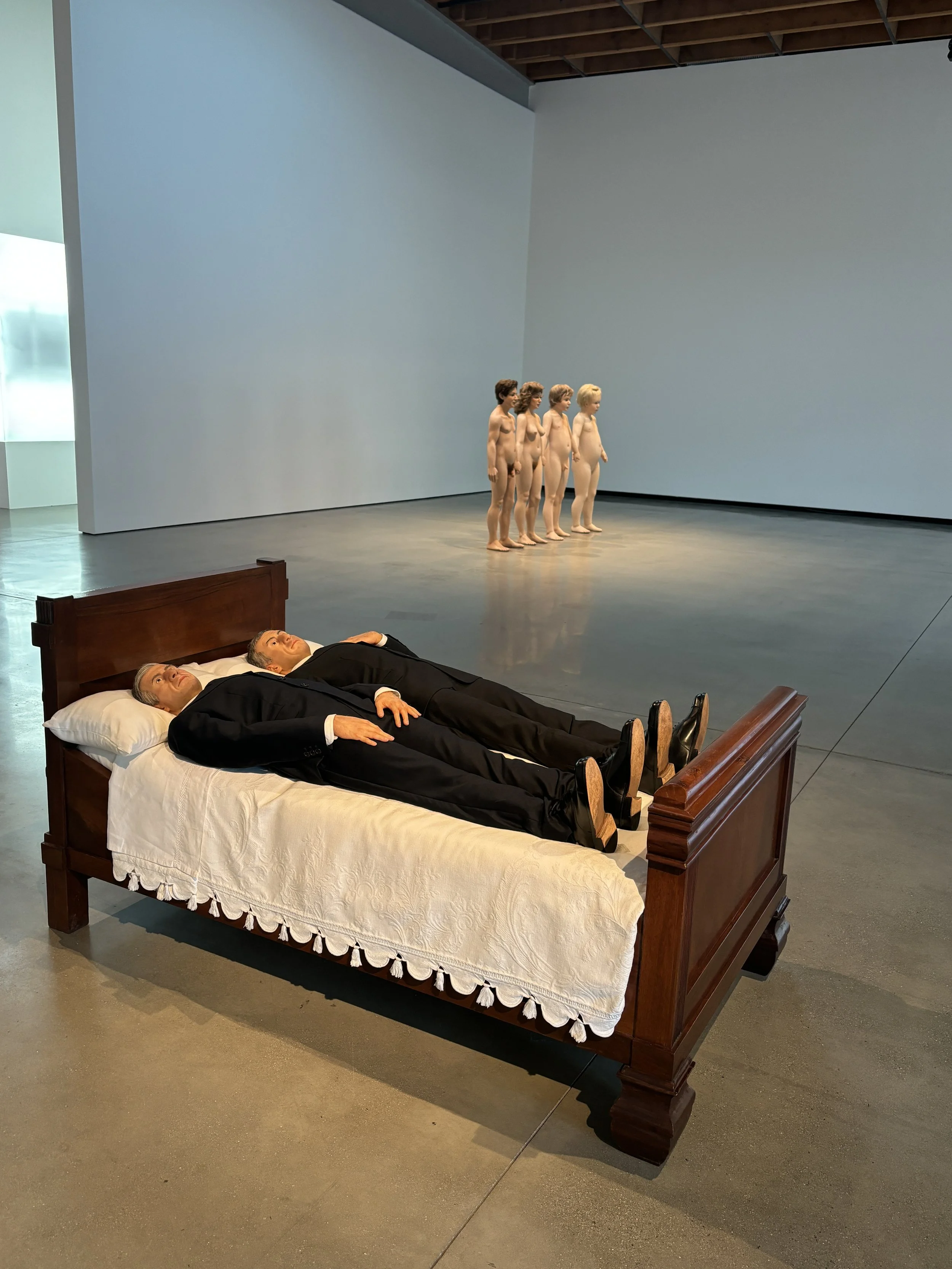
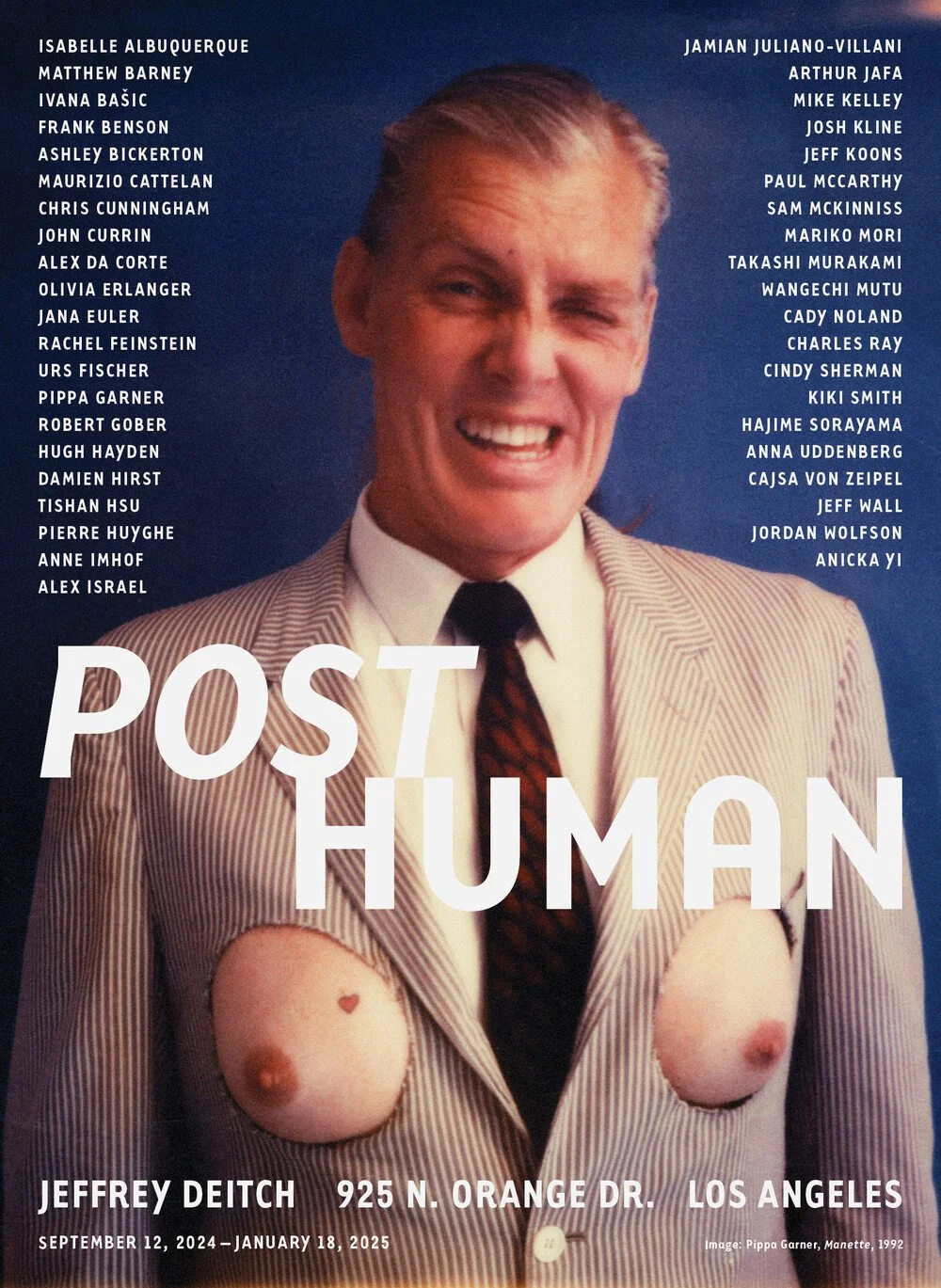
Jeffrey Deitch's intriguing reprise of the 1992 Post Human exhibition explores the constant evolution dance between art and technology. The year 1992, was an interesting and important year. It was the year of the Los Angeles Uprising, Bill Clinton was elected the 42nd President, the Cold War ended, South Africa ended Apartheid, and Sharon Stone flashed us all in Basic Instinct unknowing, allegedly. The resurgence of Post Human, which was initially revolutionary in its investigation of our digitally mediated lives, acts a clever reminder that we're still struggling with what it means to be human, particularly in a time when your cell phone knows more about you than your friends.

Deitch along with Viola Angiolini, Senior Director, Research and Curatorial Projects curates a beautiful array of works that cleverly interrogate the boundaries of humanity and identity, while playfully nudging the role of the artist in our increasingly mechanized world. The updated installation buzzes with contemporary themes such as artificial intelligence and virtual realities, inviting viewers to reflect on the convergence of the human experience with the digital realm. It’s like a family gathering where the kinfolk are all wearing VR headsets, both familiar yet strange.

Featuring both original artists and fresh, audacious voices, this powerful conversation feels both nostalgic and futuristic. The reexamination of Post Human not only honors the original spirit, but also hysterically challenges us to confront our own post-human realities. Most importantly, in an era where our smart fridges might know us better than we know ourselves, who needs a therapist when you can just have an AI?


Post Human

September 12, 2024–January 18, 2025
925 N. Orange Drive, Los Angeles


Julian Lucas, is a photographer, a purveyor of books, and writer, but mostly a photographer. Don’t ever ask him to take photos of weddings or quinceaneras, because he will charge you a ton of money.

Painter Friedrich Kunath Feels His Way Home

By Trina Calderón
Published 9:16 Am PST

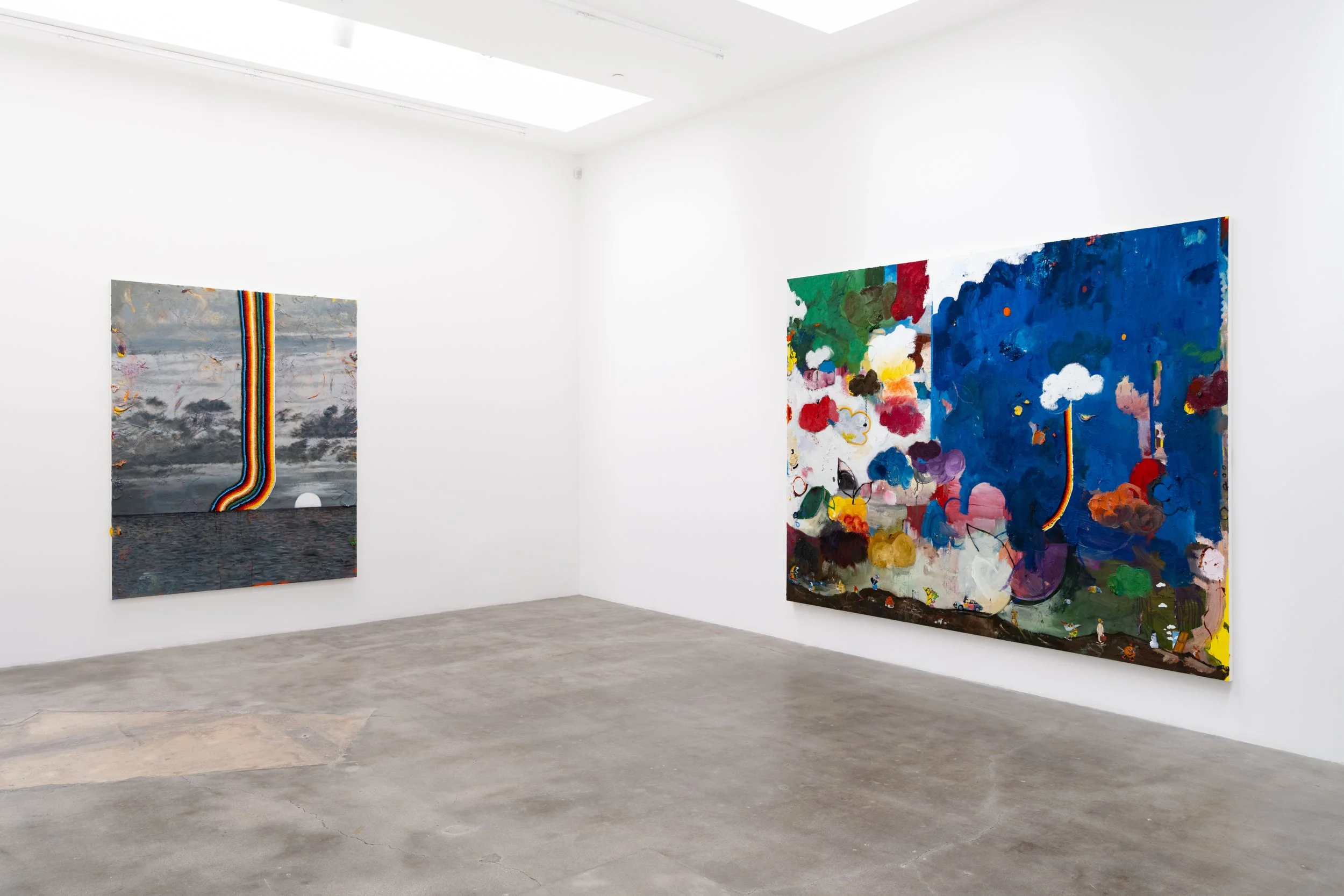
The place we call home usually refers to where we lay our head every night to sleep, a permanent location used as a mailing address. But the idea of home can be vast and German painter Friedrich Kunath uses his feelings to find the connection in his new exhibit, I Don't Know The Place, But I Know How To Get There, showing at Blum & Poe, January 14th through February 25th, 2023.

Reckoning his coming-of-age experiences in Germany with living in America for almost eighteen years, he’s still finding his habitual presence. While it’s impossible for anywhere to be the same after COVID, and perhaps subconsciously this motivated him to relocate his family back to Germany last summer, he was nonetheless inspired to return “home” only to immediately find himself disparaged. He related, “I had a constant feeling I would do something, but I was forcing myself to go on walks, read poetry, and then I watched TV all day, went straight into depression and immediately found out I can never go back home, as they say.”

Courtesy of Blum & Poe

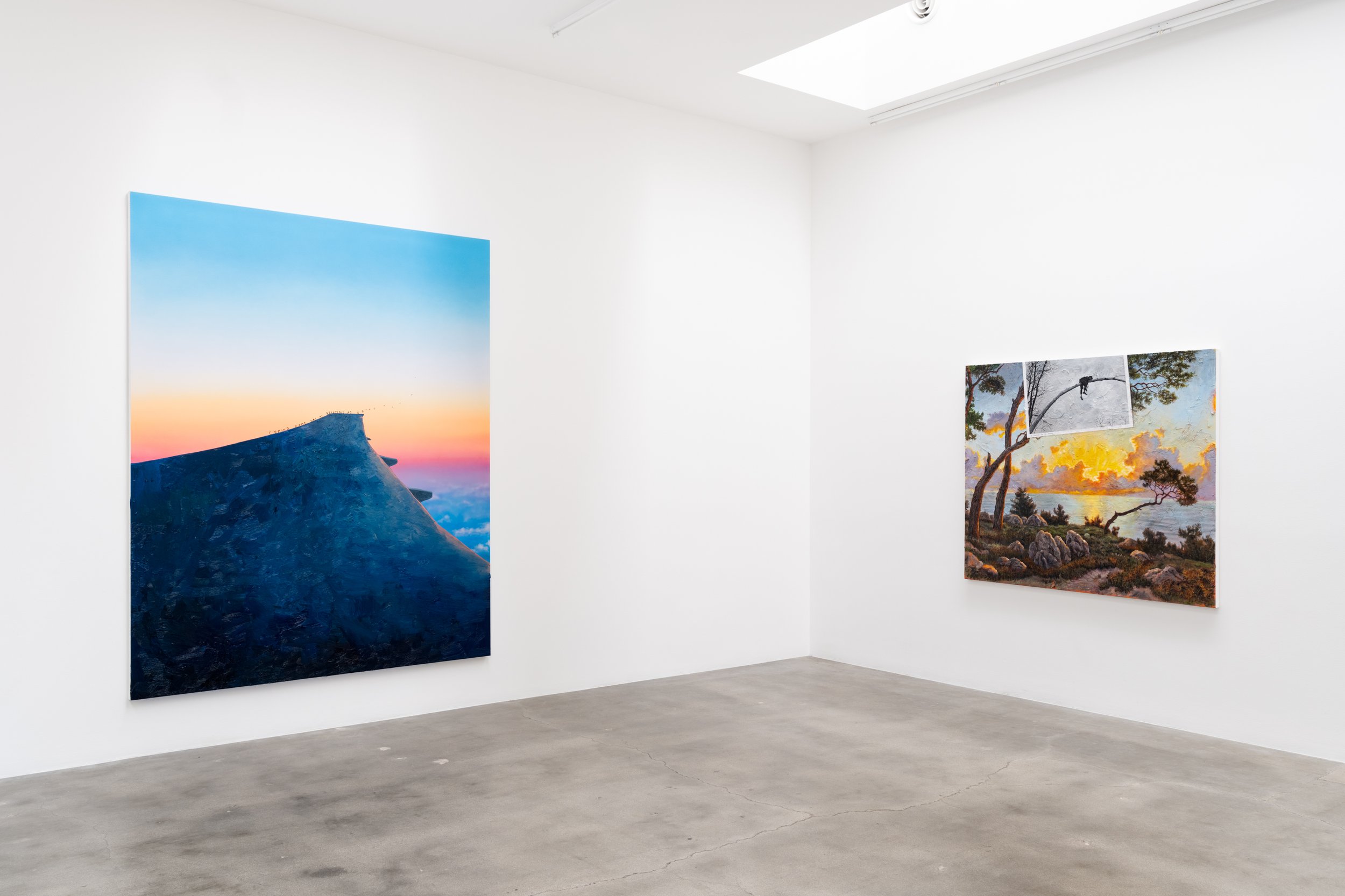
Coming back to Los Angeles didn’t feel like home either but Kunath went into the studio with these deflated ideas and got to work with questions. “Is my life in the panting? Is me working on these paintings somewhat of a house that I inhibit?” he wondered. Indeed, his paintings are a backdrop for these thoughts with imaginative influence from Russian, German Romantic, and Hudson River school landscapes. In his existential search for pure consciousness, he explains this state of creative life in an exhibition of large witty pastoral paintings and a bright installation that reveals the bones of his storytelling process.

In the release for the show, Kunath includes the beautiful poem “Abendlied” by German artist Hanns Dieter Hüsch, which begins:

Butterfly is coming home
Little bear is coming home
Kangaroo is coming home
The lights aglow, the day is done.

Courtesy of Blum & Poe

There is a fun and whimsical element to Kunath’s homecoming crisis. Found in the short phrases of text he writes in small details on top of a painting or the cartoon characters that inhabit other images, he’s able to find humor in the darkness, and even nostalgia in his negated notions of place. In Coming Home Was As Beautiful As Going Away, the view out of the window on a plane is a contemplative view we’ve all seen many times. A moment we’re just existing inside the puffy clouds in the sky, in transit, high above everything serious and real. Breaking through this familiarity, he’s written the title in cute, tiny letters drifting off the edge of the wing. The words are playful yet dangerous as they fly off into the distant sky. There’s an absurd comfort in appreciating this view.

This meditation persists throughout Kunath’s work. I Could Easily See Myself Spending A Whole Month This Way features a man floating faced down, with the title written on top of the pool of water. He appears both relaxed and drowning, with an eerie color scheme of pale off yellow green masquerading as blue water. Who doesn’t like the ease of floating freely, but it’s also just cold and dark enough to make you think of drowning this way. The idea brings his existential perspective into a simpler composition, yet romantic still in the feel of the water, the waves, and the texture on top of the paint that appears like ripples. It’s the soul of the show in many ways, using his well-honed techniques to create a mood that goes on forever.

Courtesy of Blum & Poe

I Know I Need A Small Vacation is a more abstract landscape concept, playing with a stable of German and American pop culture symbols like Smurfs, a Porsche, Disneyesque cartoon animals, and the magical surreal doorway to heaven. Here clouds take different shapes than in his other landscapes, rendered in outlines and primary colors. They’re vehicles in all his paintings, implying movement, ethereal travel, and even an environmental spiritualism. The leaf outlines feel like fallen leaves blowing in the wind of an imaginary trip somewhere, anywhere, as though all the fun characters need to go too. Goofy even has his suitcase on this journey for a cartoony home ground.

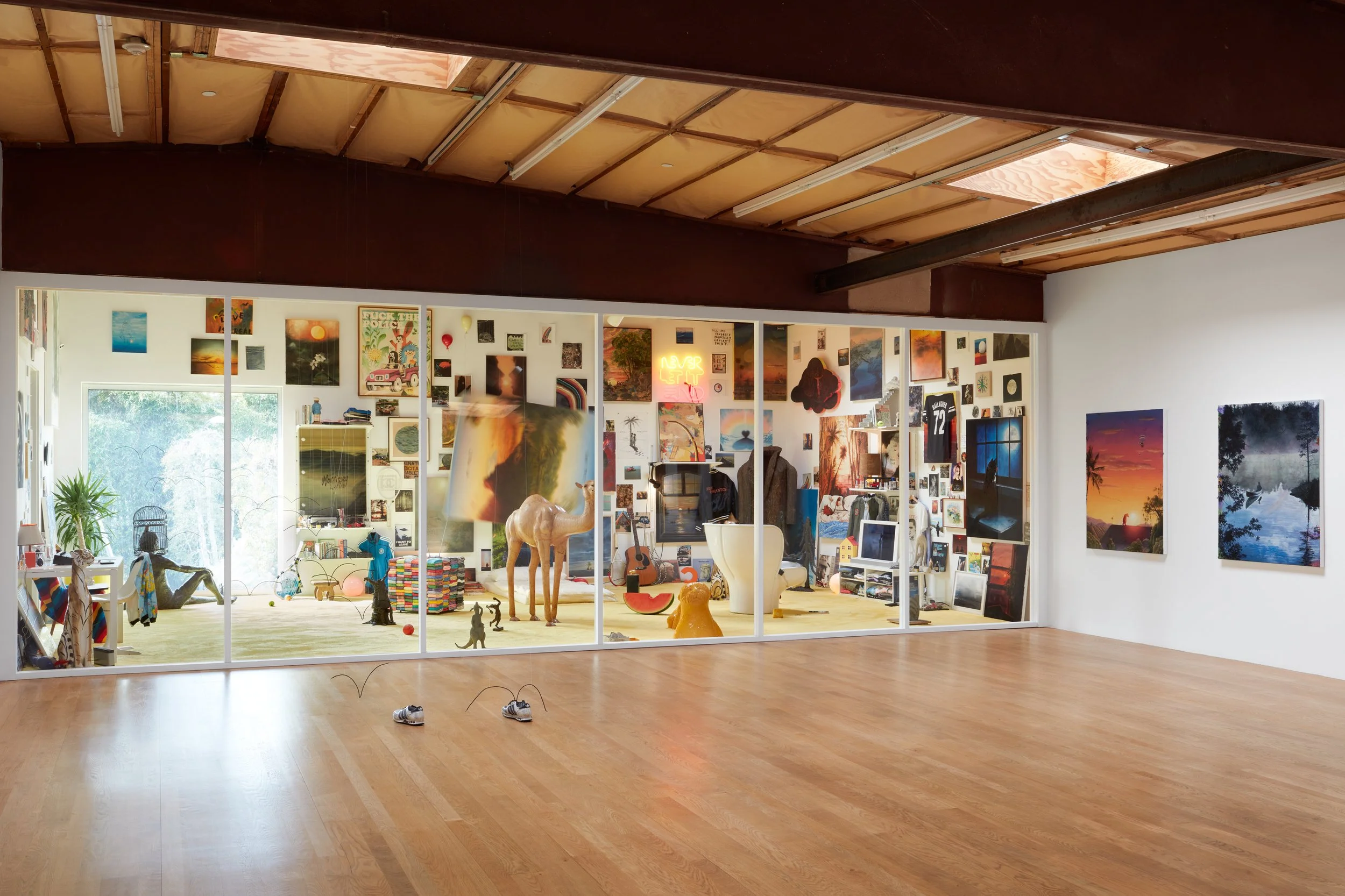
In the romantic spirit of feeling connected to a journey more than the destination, Kunath completes his exhibit with the large installation, All Your Fears Trapped Inside. Pulling together personal ephemera, fine art, and collected objects from 2019-2023, the audience peers inside a window to consider how he composes his paintings. “It’s a whole thing to look for stuff that I feel understands me. I’m drawn to it and sometimes I don’t know why. I like to surround myself with these things and after all these years, that shit in there marinates you and makes me do the work I do here. That’s one aspect, and the other is I was thinking a lot about Picasso’s last paintings when the artist is behind the glass and basically paints that in a weird way. It’s a version of them also, but the artist is behind something. For me, I don’t think of this as much as different than that,” Kunath explained.

Courtesy of Blum & Poe

The natural processes of the artworks carry a sense of merry enchantment to the notion of not knowing where home may be. Kunath is happiest creating in a state of half-knowing, with a spirited practice that is contrary to understanding everything. A song that always reminds me of these same kind of ideas of home is Talking Heads, This Must Be The Place (Naïve Melody) which starts:

Home is where I want to be
Pick me up and turn me round
I feel numb, burn with a weak heart
I guess I must be having fun
The less we say about it the better
Make it up as we go along
Feet on the ground

Friedrich Kunath: I Don't Know The Place, But I Know How To Get There
Blum & Poe
January 14 – February 25, 2023


Trina Calderón @trinaluz is a film & TV writer/producer and journalist from Los Angeles. She cut her teeth in reality/doc TV with Authentic Entertainment and Pie Town Productions. Her first feature film, Down For Life, premiered opening night at the The Los Angeles Latino International Film Festival in 2009. She's also known for G4tv's X-Play, BBCAmerica's The Nerdist TV show, the AWM Gracies Awards show, the Legend of the Cool "Disco" Dan documentary, the Wall Writers documentary, and co-writing a massive book about the history of the 9:30 Club.