
How Americans Stopped Arguing About Ideas and Started Joining Political Gangs
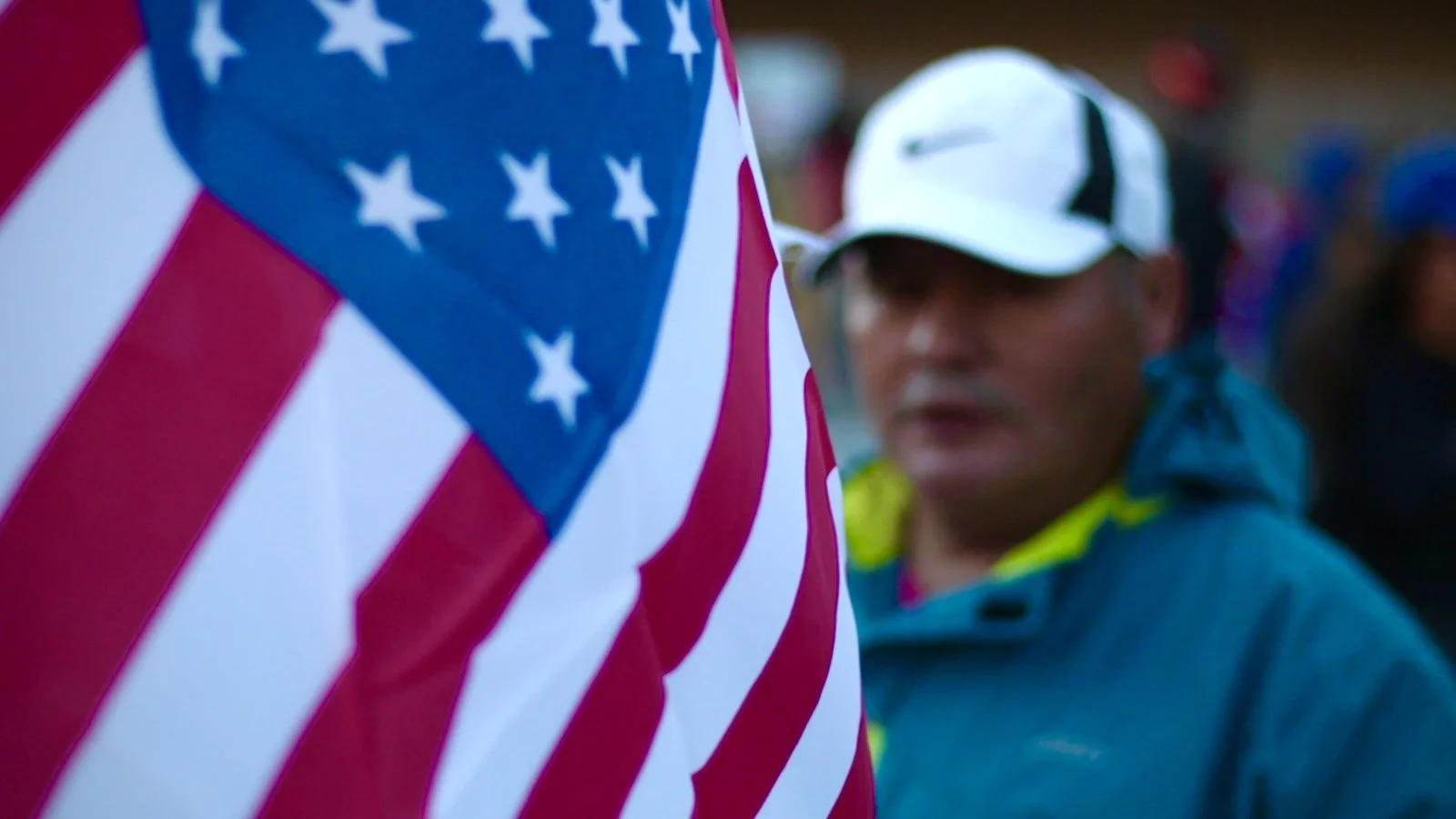
Photography Julian Lucas ©2017
A few weeks ago I made what I thought was a fairly harmless observation on a well known biased platform. The kind of platform that debating just leaves many circling the drain and losing brain cells.
Most Americans do not know the difference between a liberal, a progressive, a leftist, a moderate, a neoliberal, a socialist, or a communist. The reaction was immediate.
Some people informed me there was no difference between any of those categories. Others argued the distinctions existed but were meaningless. A few insisted that all of them represented the same thing anyway. One commenter declared moderate Democrats extinct. Another wanted to know why anyone would care. Someone else asked what my end goal was, as though distinguishing between political ideologies required an ulterior motive.
The more responses appeared, the more interesting the discussion became. Not because people disagreed. People disagree about politics every day. What caught my attention was how quickly the conversation moved away from the ideas themselves. Very few people wanted to discuss what separated one political tradition from another. Instead, the discussion became a debate about belonging. The labels appeared and of course the assumptions arrived shortly after. Before long, entire political traditions were being put into a handful of emotional categories.
The liberal became the communist. The progressive became the socialist. Democrats became the leftist and the distinctions disappeared almost immediately.
One comment stayed with me. A man wrote that we are not living in a political science class and therefore nobody cares about labels. Judging by the reactions, many people agreed with him. Honestly, I understood the point.
Most people are not spending their evenings reading political philosophy. They are working jobs, paying their rent, worrying about healthcare, raising children, commuting to work, paying mortgages, and trying to survive an economy that seems determined to charge more for everything than it did yesterday. Politics enters most people’s lives through experience before it enters through theory.
Yet there remains something strange about holding strong opinions regarding categories that nobody wants to define.
Mention communism and someone points to China. Mention China and someone points to the Soviet Union. Mention socialism and someone points to California. The conversation always moves swiftly from label to conclusion without spending much time on definition. Whether modern China resembles classical Marxist theory, state capitalism, authoritarian nationalism, or some combination of all three rarely enters the discussion. The label does most of the work.
The same thing happens elsewhere across the political spectrum. A person can spend years attacking socialism without understanding how it differs from liberalism. Another can spend years criticizing conservatism without distinguishing between a libertarian, a constitutional conservative, a nationalist, a populist, or a neoconservative. The labels remain familiar while the meanings become increasingly vague.
After the first discussion, I made a similar observation about conservatives. Most Americans probably could not distinguish between libertarians, fiscal conservatives, constitutional conservatives, MAGA populists, evangelicals, nationalist Republicans, moderates, and neoconservatives either. However, the reaction was different.
Many of the strongest responses to the first observation came from self-identified conservatives who immediately added liberals, progressives, leftists, neoliberals, Democrats, socialists, and communists into a single category. Yet when distinctions appeared within conservative politics, those distinctions suddenly became easier to recognize. People who had argued that labels were meaningless now had opinions about the differences.
The contradiction appeared over and over and over again. Several people insisted labels did not matter while defending the labels they identified with. Others argued distinctions were meaningless while demanding that distinctions important to them be recognized. A few dismissed the entire conversation before spending considerable time participating in it.
An additional kink emerged when the original discussion concerning liberals, progressives, leftists, neoliberals, socialists, and communists eventually disappeared from the platform. A nearly identical discussion involving conservatives remained active. I have no idea why one stayed and the other vanished. Perhaps it was reported, well it was definitely reported and some moderators out voted against the post. What interested me more than the removal itself was the intensity of the reaction surrounding the first conversation. The experience left me thinking less about political labels and more about how people arrive at politics in the first place.
Most people do not arrive there through books. They arrive through family. Through church . Through neighborhoods. Through work. Through television. Through social media. Through economic frustrations. Through experiences that shape how they see the world long before they encounter political theory. By the time ideological labels enter the conversation, many loyalties have already been formed.
That reality does not make people irrational. It makes them human. But it does help explain why discussions about political ideology often become discussions about identity. The argument may begin with labels, but it rarely stays there for long. Before long, people are talking about who belongs, who does not belong, who can be trusted, who cannot be trusted, and which side represents people like them.
Reading through the responses felt less like reading a discussion about political philosophy and more like watching sports fans explain why their team matters and the other team does not. The details changed from person to person, but the pattern remained remarkably consistent.
What struck me most was not the confusion. It was the indifference. Many people were not arguing that the distinctions were wrong. They were arguing that the distinctions did not matter. That may be the more interesting observation. A society can survive disagreement. A society can survive competing political traditions. What becomes more difficult is maintaining meaningful public discussion when understanding itself begins to feel optional.
The original observation was never really about liberals, conservatives, socialists, communists, progressives, or populists. It was about whether ideas still deserve to be understood before they are embraced or rejected.
Judging from the responses, that question may be more important than the labels themselves.
Julian Lucas is a darkroom photographer, writer, and a bookseller, though photography remains his primary language. He is the founder of Mirrored Society Book Shop, publisher of The Pomonan, and creator of Book-Store and Print Pomona Art Book Fair. And he will charge you 2.5 Million dollars for event photography.


