

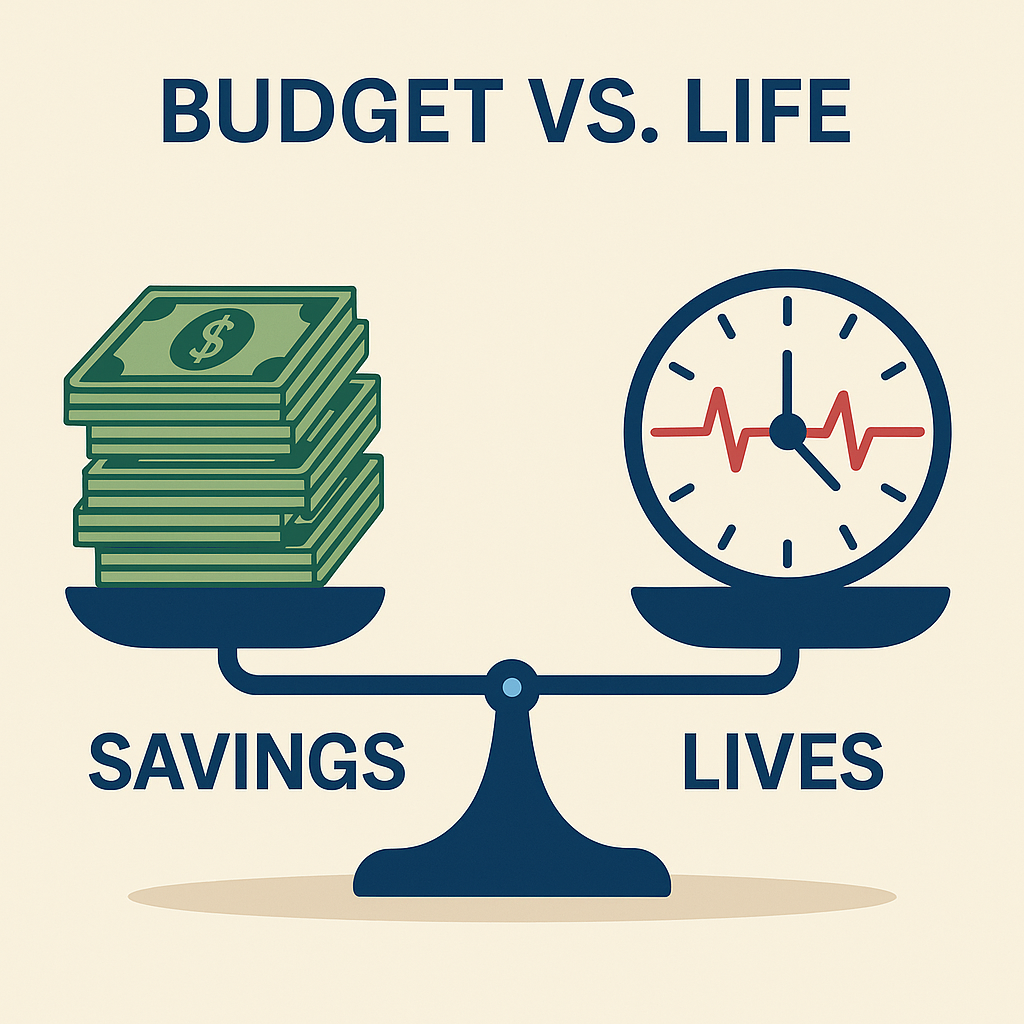
Pomona’s leaders are in talks to do something almost unheard of. They’re discussing handing the city’s fire and emergency services to a smaller suburb. The council calls this a financial decision. For residents, it isn’t abstract. It’s about whether shaving costs matters more than saving lives.
City leaders are now brainstorming either outsourcing services or creating a new joint fire district with La Verne, a smaller suburb one-fifth Pomona’s size, but either path raises the same concerns about costs, accountability, and capacity.
Across the country, the pattern is clear. Large departments absorb smaller ones, or cities pool resources through county fire authorities. Boise covers Garden City. Kansas City covers nearby villages. Bellevue covers Clyde Hill. The current runs one way. Rarely does a city of nearly 150,000 people outsource its most critical service to a neighbor of 30,000. That mismatch alone should give Pomona pause.
Pomona is a working class city. Here, fire and EMS calls aren’t just about putting out fire — though Pomona has a track record of unwanted buildings being burned down. They’re also about chest pains, overdoses, unhoused encampments catching fire, car crashes on Towne and Holt, and the everyday emergencies of families priced out of healthcare. For many residents, firefighters and paramedics are the first responders in every sense of the word.
La Verne doesn’t live that reality. Its fire department has never been responsible for a city Pomona’s size or scale. To imagine it suddenly covering Pomona is to flip the natural order of public safety upside down. It isn’t about whether La Verne has good firefighters, it’s about whether the entire system was ever built for the demands Pomona puts on its first responders every day.
This debate doesn’t exist in isolation. Just two years ago, Pomona’s City Council pushed Measure PG, a tax increase sold as the way to protect essential services. Yard signs sprouted across the city, some with councilmembers’ names. The pitch was clear enough: pay a little more in sales tax and your police and fire services would stay strong.
Councilmember Debra Martin even called Measure Y the “elephant in the room.” It’s a familiar move, most of the council opposed it when voters approved it, and now they’re looking for ways to scapegoat youth funding for the city’s financial troubles. But Measure Y didn’t create this crisis. Decades of quick fixes and mismanagement did.
Voters did their part. They trusted those promises. Now, some of the same leaders are contemplating outsourcing fire protection to a smaller, wealthier suburb which is simply unheard of. It’s understandable Los Angeles County Fire has increased their services, due to inflation, but this would mean the leaders and staff have to be creative in how to continue services with LA County Fire. Isn’t lives more important than money?
Council members talk about savings, but the numbers don’t add up. Here are the unanswered questions Pomona residents deserve clear answers to:
Will La Verne use the existing Fire Departments in the city?
Will La Verne need to hire? Pomona generates far more calls. La Verne will need to expand its workforce, buy new trucks, and grow its command staff. Will Pomona have to bankroll this contract and expansion?
What about equipment? Fire engines cost about $150,000. Over 1 million for ladder trucks etc. Ambulances, radios, protective gear, medical kits, all of it adds up. Will Pomona inherit some county gear, replacement costs will fall on Pomona’s side of the ledger?
What about pensions? This is the hidden bill. Will Pomona still owe its share of LA County Fire’s unfunded pension liabilities, even while paying into La Verne’s pension system? Does that mean double obligations: paying for the old system while building the new one.
And now residents are being told the joint Pomona and La Verne plan could require a parcel tax, an added property tax on top of everything else. That flips the story completely. Instead of saving money, Pomona homeowners may be asked to pay more to bankroll a smaller suburb’s fire expansion. A tax increase wasn’t part of the sales pitch, but it’s quickly becoming the fine print.
Then there was Mr. Sandoval. Once again, he used his seat on the dais to rebut residents during public comment. When one speaker suggested the proposal was political, he dismissed it as “nonsense.” He went further, telling another speaker they were “out of line.
Would this be considered a Brown Act violation? Under California’s Brown Act, officials may thank speakers, make brief professional clarification, or ask staff to follow up. City leaders are not supposed to single anyone out or scold residents from the dais. Public comment exists so people can address their leaders without being shut down in real time. Using the microphone to correct or chastise speakers may not only cross a legal line, it undermines the spirit of open government.
Pomona has driven down this road before. It appears that Pomona has always chased the quick fixes, patching holes, and kicking costs into the future, and the result has always been the same, long term debt and broken promises.
The choice before the city isn’t just about contracts, pensions, or budgets. It’s about whose lives are worth protecting, and whose voices count when decisions are made. Working-class families, renters, immigrant, the people who dial 911 most often are the ones who stand to lose the most if this gamble goes wrong.6
Fire protection isn’t just a line item on an agenda. Fire protection is a covenant between a city and the people who live in it. And no city should ever force its residents to choose between saving money and saving lives.
Julian Lucas is a photographer, writer and provocateur committed to documenting what power tries to hide. Julian is the founder of The Pomonan and founder and owner of Mirrored Society, a bookshop dedicated to fine art books. His work, on the page, in the darkroom, and in the streets, documents what institutions try to forget. He publishes what others try to bury.


