

Courtesy of Julian Lucas ©2018
Text Ion Puschila,
Photography Julian Lucas
Published 1/10/2022 8:41 Am PST
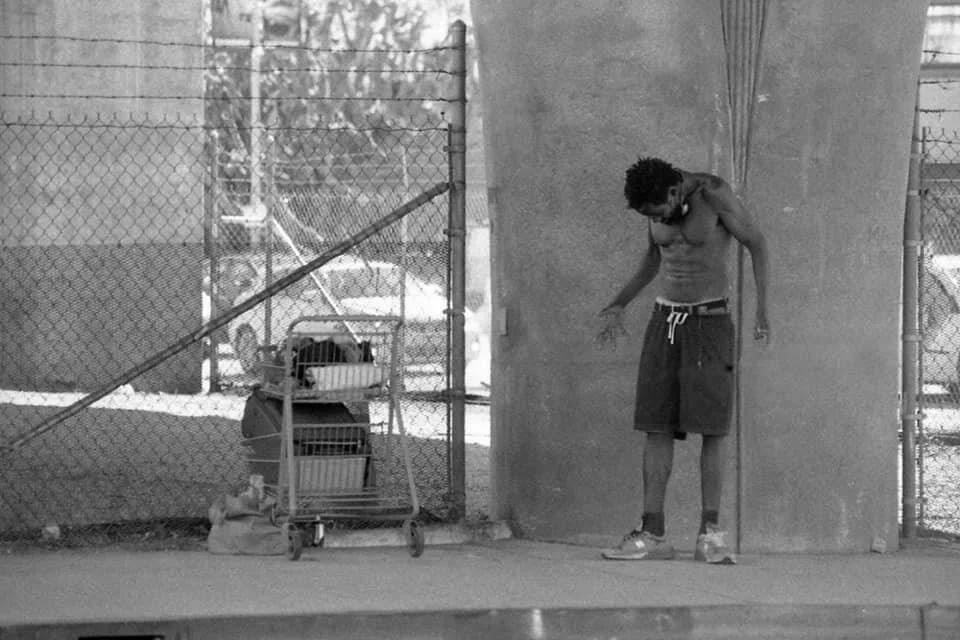
Poverty is the root cause of a myriad of problems in the United States. One can understand how it is the leading cause of drug trafficking, drug use, theft, murder, underachievement by children, along with trauma and PTSD, which can include prostitution. Prostitution is also about power and domination in a paternalistic society, but our main focus here is poverty as a root cause. Poverty affects people of color at a higher percentage due to lack of resources. Therefore, there is higher number of women of color who are disproportionately sex trade survivors.
SEX TRADE SURVIVORS ARE DISPROPORTIONATELY WOMEN OF COLOR
In a study of all suspected human trafficking incidents across the country, 94% of sex trafficking victims were female, 40% were Black, and 24% were Latinx . In South Dakota, Native American women represent 40% of sex trafficking victims, though Native Americans are only 8% of population. In Cook County, Illinois 66% of sex trafficking victims between 2012-2016 were Black women. In Nebraska, 50% of individuals sold online for sex are Black, though Black people comprise only 5% of the general population. (Rights for GIrls)
SEX BUYERS ARE DISPROPORTIONATELY WHITE MEN
In King County, Washington, 80% of sex buyers are white men. A 2017 study on sex buyers in Minnesota found that the majority of buyers in their state are white, middle-to-upper class, married men. In a 2012 study of men who use the internet to buy sex, researchers found that virtually 85% of the buyers were white men. (Rights for GIrls)
When exploring key phrases such as “street prostitution is a result of poverty” with use of the internet, the results will yield a plethora of information, both on publications and scholarly, that has been written on the topic, and explain causes and consequences. Many women end up in this situation for many reasons, lack of resources offered. Or thinking of the elements of human trafficking there is fraud, or many women have been forced, and or coerced into sex work. In addition 92% of the women, for over 80% are women, are abused, raped, and physically harmed in countless ways. 33% of the women began the trade as underage girls in their early teens. 55% were, or are homeless. A majority suffer from PTSD, and over 30% have attempted suicide at least once. Over 50% have had an abortion. 84% suffered childhood sex abuse.

On the other hand, if we were a sane society, we would legalize the business, as is done in many other countries. Let us look at New Zealand as an example. It decriminalized prostitution, including street prostitution, in 2003. Since then, the number of street prostitutes has declined, and so has violence against women, along with the spread of disease. The fact that the police now ensure the women’s safety against assault, leads them to report it regularly. That they have access to healthcare and welfare benefits has helped stem disease, including COVID, as sex workers received benefits, just like other workers. Though illegal sex work continues to exist, it is on a small scale. This is also true of trafficking and underage girls being forced into the business. Furthermore, people do not end up in jail for something that is not fundamentally a crime. Consenting adults ought to be able to transact sex. We can, and should, as a progressive state, legislate and regulate sex work. As a nation, we are not ready to do so, unfortunately.
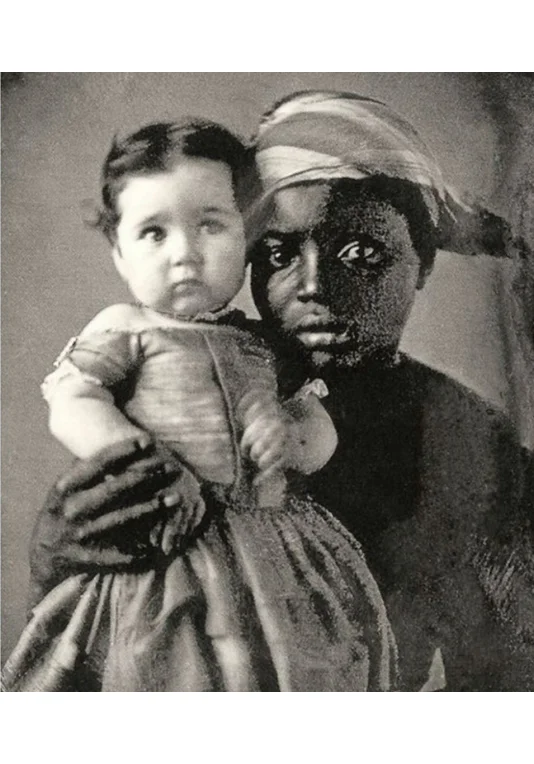
The US has had a puritanical streak since its inception of the country. It does not, however, get in the way of enslaving millions, stealing land from the natives, considering fellow Americans second-class citizens for over a century, jailing millions of poor and those struggling with mental issues. Our puritanical streak demands punishment but has no solution to the fundamental problems we have faced over the centuries. Prostitution is not different. Instead of freeing these sex workers from the indenture to the pimps, we continue to demand punishment, though it has historically not worked in the least. We as a society have an obligation to invest in curing poverty as a disease, but another misconstrued notion gets in the way: rugged individualism. Do not tax me to solve the problems because they are not my fault, is the common thought process. Unfortunately, we are all unwitting participants in a system that overwhelmingly favors the rich over the poor, and maintains the system of oppression due to the accumulation of wealth by one portion of the population at the expense of another.
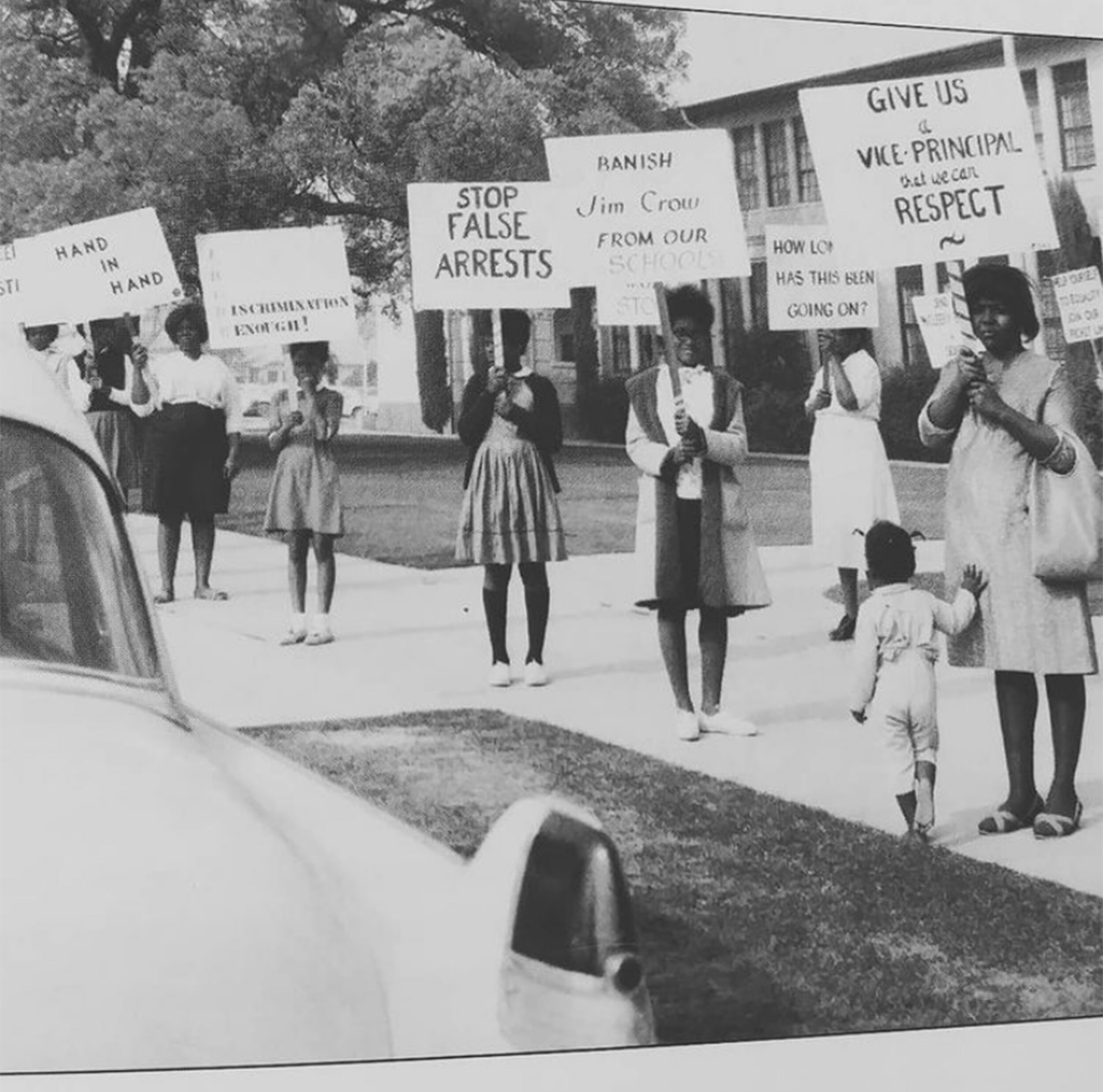
What is criminal is continued punitive measures against the poor in general, people of color and sex workers in particular. Institutionalized racism perpetuates the problem. The vast majority of those accused of crimes, prostitution, for example, are people of color. Nearly all prosecutors in the entire nation, as well as an overwhelming majority of judges at all levels (in some states the entire supreme court), and jurors to boot are Caucasian. There is a lot unconscious bias in the entire justice system, reflected by the immense disparity in the percentage of incarcerated people of color.
It is difficult to be poor in a society that provides one with an inadequate safety net, meager services, declining wages over the past four decades, as well as marginal health and mental services if any. It is any wonder that so many choose to pursue illegal activities? How many of those abused, food and housing insecure, often foster, drug afflicted, inadequately housed children in the United States become prostitutes? Or turn to criminal means to secure a living? Even if the percentage were small, the numbers would be worrisome, given that at least 2.5 million children are homeless at some point in their lives.
Capitalism does not preclude us from taking measures to alleviate the disease that is poverty. In the case of sex work, we could create a regulated market, because one already exists. In the case of poverty as a national issue, we could tax far more (though it might prevent some from colonizing Mars or traveling into space) and use those taxes to facilitate the transition of many of our poor into the middle class, putting people who struggle with mental illness in proper facilities, rather than in the street, or in jails. This so-called transfer of wealth is nothing short of investment into our society and people, and the money will go right back into the economy. Creating a living wage would also go a long way toward this. Corporations and businesses will adapt, and prices never rise as quickly as wages (with the exception of external circumstances, such as COVID, though even that inflation will subside in the next year). Thus, prostitution has a solution, but it is not a punitive one. It is a compassionate one. But as long as we continue to demonize poverty and praise riches, we going to continue to be dysfunctional.
RELATED LINKS
Rights for GIrls
A World Without Exploitation
New Zealand Parliament
Race and Jury
American Bar Association
University of San Francisco
Decriminalize Sex Work
Business Insider
USDA
Covenant House
Ion Puschila is has been an educator for over 30 years. In addition to education, Ion is a researcher, commissioner, writer and is highly concerned with the human condition.