
The 1990s and early 2000’s are not just a series of anniversaries over and over again. They are my high school and college years, a time when movies were not about comfort, affirmation, or branding. They were confrontations. You did not leave the theater feeling understood. You left unsettled, sometimes silent, mostly arguing with friends in the parking lot, carrying something heavy you did not yet have words for.
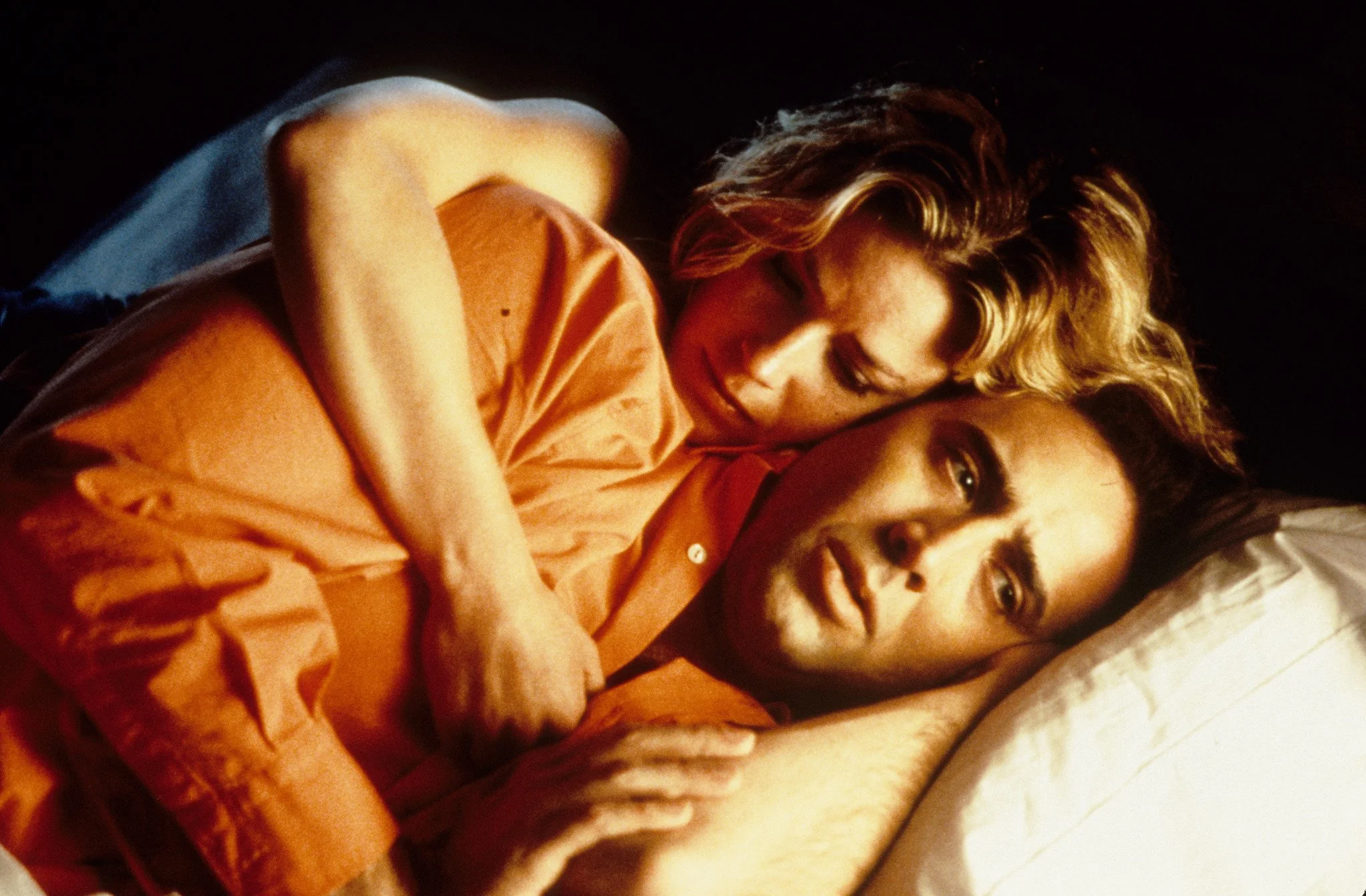
In 1995, while I had just turned 21 still figuring out how to survive more than how to dream, Hollywood released Se7en, Kids, and Leaving Las Vegas. These films would struggle to exist today, not because they glorified darkness, but because they refused to protect the audience from it.
Se7en ends without relief. Evil is not contained or corrected. The film does not explain itself or offer any moral closure. It assumes the viewer can handle the discomfort.
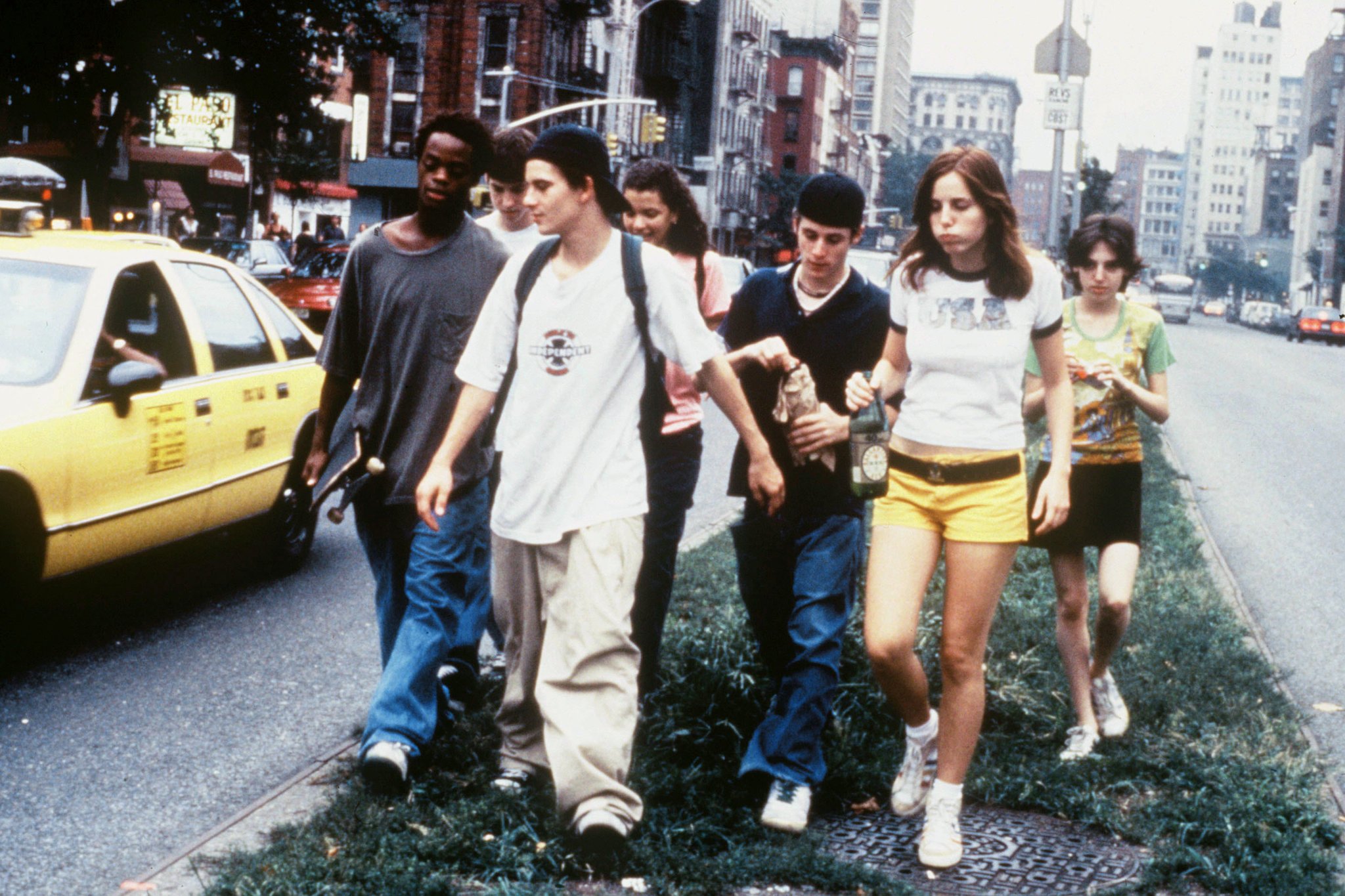
Kids does not teach or redeem. It presents adolescence as reckless, predatory, confused, and dangerous, then walks away. There is no adult voice stepping in to contextualize the damage. It is a film that still makes people defensive. Not because it is graphic, but because it refuses supervision. There are no adults arriving in time, no moral framing, no correction. The film shows what happens when kids are left alone with desire, power, and ignorance, and then it walks away. That was the part people could not stand. Kids does not accuse society directly. It simply shows the absence and lets the consequences speak for themselves.
Larry Clark has always mattered to me beyond Kids. His photography, especially Tulsa, treats youth without rescue or distance. He doesn’t make innocence look pretty, and he doesn’t try to justify the damage done. He just stays close long enough to make you uncomfortable. That honesty is why the work lasts, and why it still feels harder than most things made today.
Leaving Las Vegas is brutal because it refuses hope altogether. It is a love story built around a man committed to drinking himself to death and a woman who does not save him. Alcoholism is not a side plot. It is the relationship itself. It dictates intimacy, replaces compromise, and sets the ending in stone. The film understands something we still struggle to say out loud. Alcoholism can look like depth. The intensity can feel like honesty. The self destruction can get mistaken for truth. Meanwhile, the quieter choice, the one that survives, often feels less meaningful simply because it refuses spectacle.
That context mattered mostly because we were latchkey kids. We took public transportation (RTD and CTA) and walked to and from school. We came home to empty houses, microwaved dinners, long afternoons without supervision. By the time we were teenagers, we were already small adults, dealing with our own problems quietly, making decisions without backup. We were scared, but fear was not something you announced. You swallowed it. You joked through it. You turned it into music, movies, sex, rebellion, and risk. You learned early that no one was coming to save you, so you tried to save each other instead. Not gracefully or correctly, but honestly.
Those movies did not cushion us because they did not need to. They assumed we were already standing without padding.
By the time I hit my twenties, films still trusted audiences to face what they were circling.
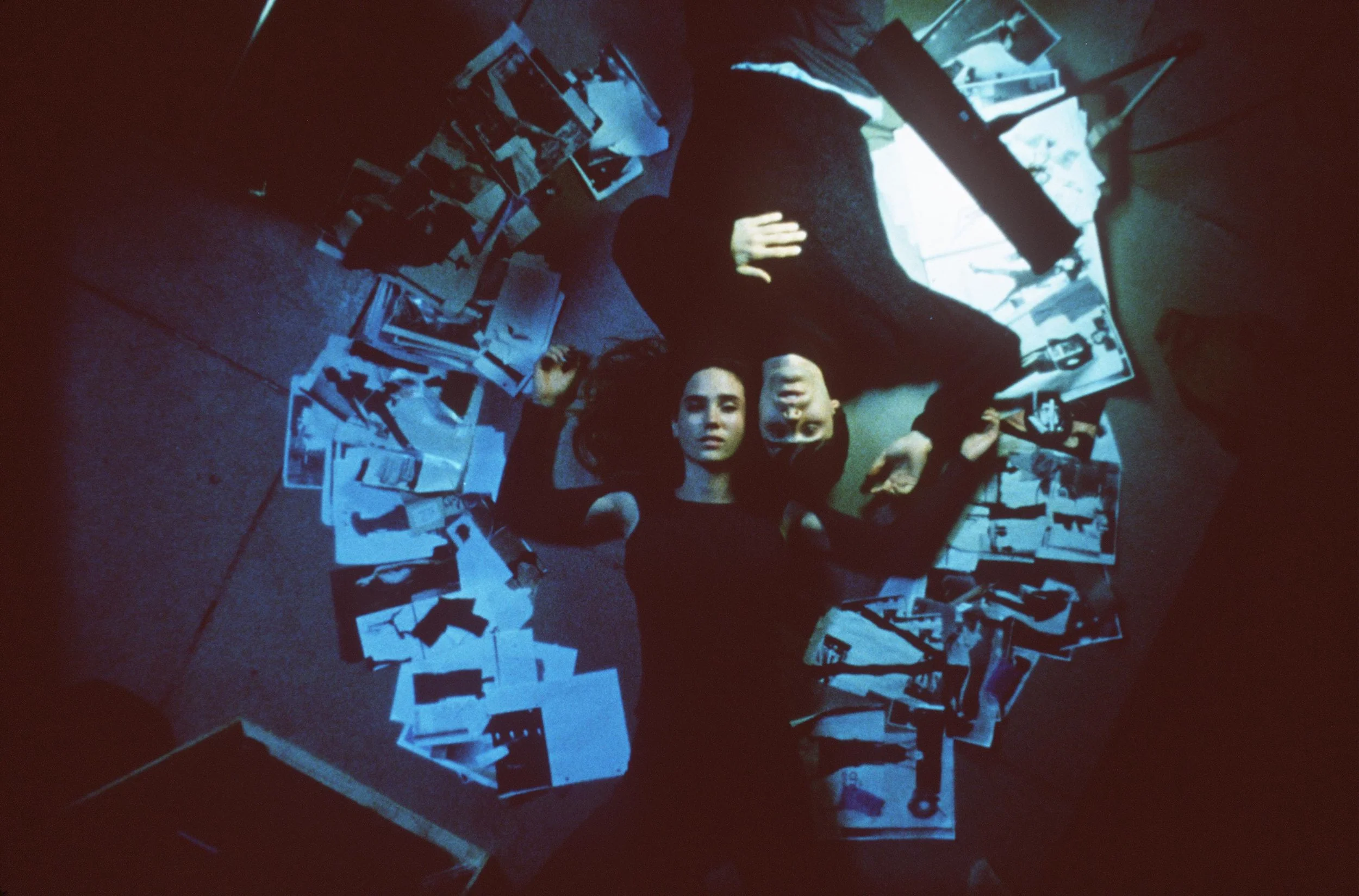
Requiem for a Dream did something quietly radical. It forced white, suburban, middle class audiences to look inward. Addiction was not framed as an urban problem or a criminal one. It lived in mothers and sons, doctors offices and refrigerators, daytime television and loneliness. For many white families, it was the first time drugs and mental illness were not external threats, but something sitting at their own kitchen table.
During a conversation about the film, someone close to me described Requiem not as a story about drugs, but about isolation. It stuck with me, a mother desperate to stay close to her son as the world quietly moves on without her. Sara Goldfarb is not chasing a high so much as relevance and connection. The pills give her routine and structure and a simulation of intimacy. Her psychosis is not sudden. It is induced slowly by loneliness, media, and a society that discards aging women once they are no longer useful or visible. The refrigerator does not just attack her. Reality does. The game show is not a fantasy of fame. It is a fantasy of being seen by her son, by anyone, in a world that has already moved on.
Both readings are true. Addiction is chemical, but it is also relational. It fills gaps left by abandonment, invisibility, and silence. That refusal to reduce suffering to a single cause is why the film still feels dangerous.
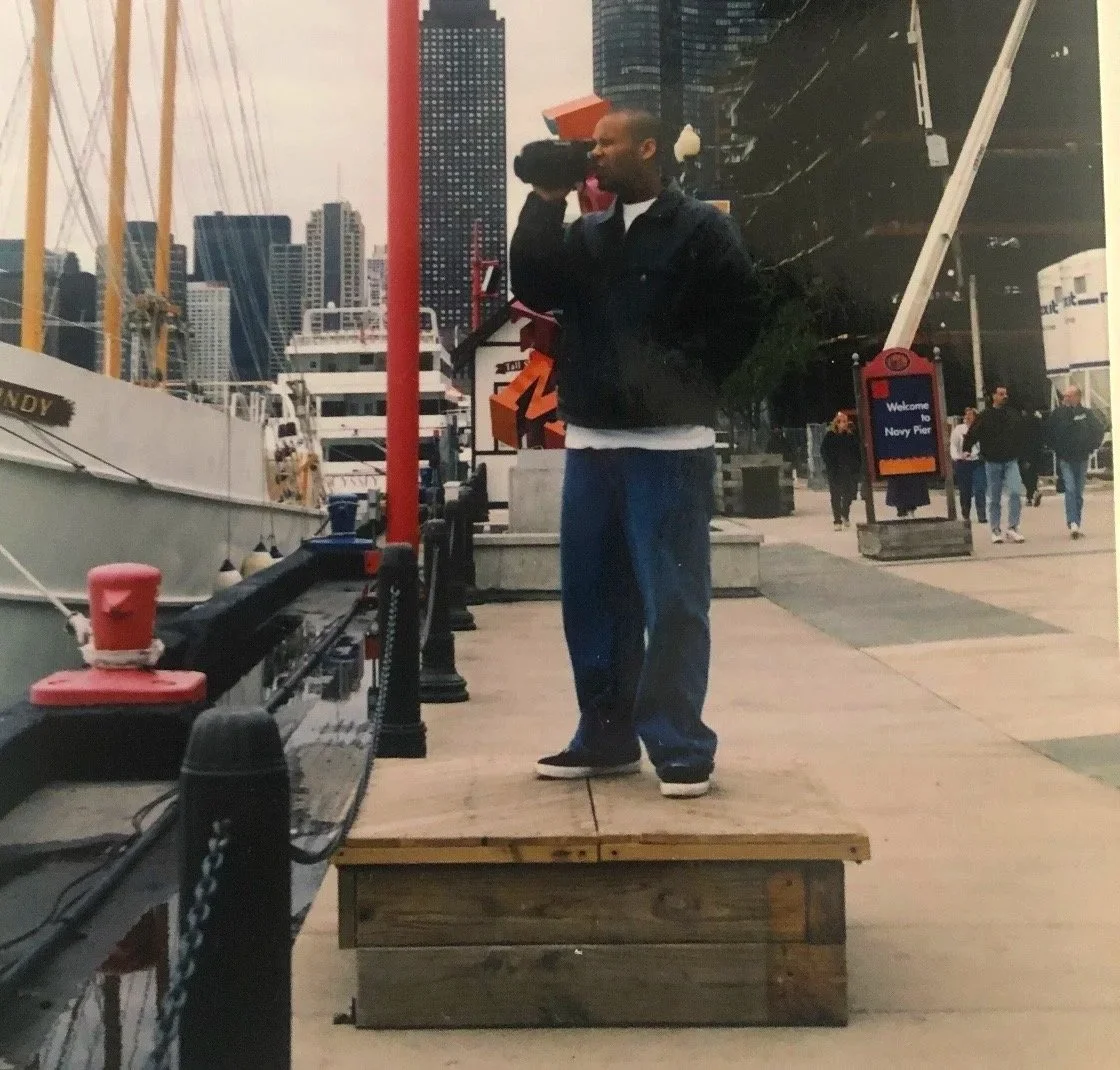
Young Julian Lucas
Chicago, 1990s.
As Gen Xers, most of us dealt with mental illness before social media influencers learned how to profit from attention. We did not have diagnoses handed out early or therapists on speed dial. We did not talk about holding space. We showed up. We sat on stoops. We let friends crash on couches. We watched each other spiral and tried, sometimes badly, to keep one another upright.
That was not heroic or healthy in a textbook sense. It was messy and often inadequate, but it was real. Mental illness was not an identity. It was something you lived through quietly, without applause.
These films turning twenty five and thirty are not nostalgia. They are evidence of a moment when cinema believed audiences, teenagers included, could be confronted without being protected. They did not want to comfort us. They wanted to tell the truth. Gen X grew up as kid adults, and those films assumed a level of emotional endurance that no longer gets asked of audiences.
Julian Lucas is a darkroom photographer, writer, and a bookseller, though photography remains his primary language. He is the founder of Mirrored Society Book Shop, publisher of The Pomonan, and creator of Book-Store and PPABF. And yes he will charge you 2.5 Million for event photography.


