
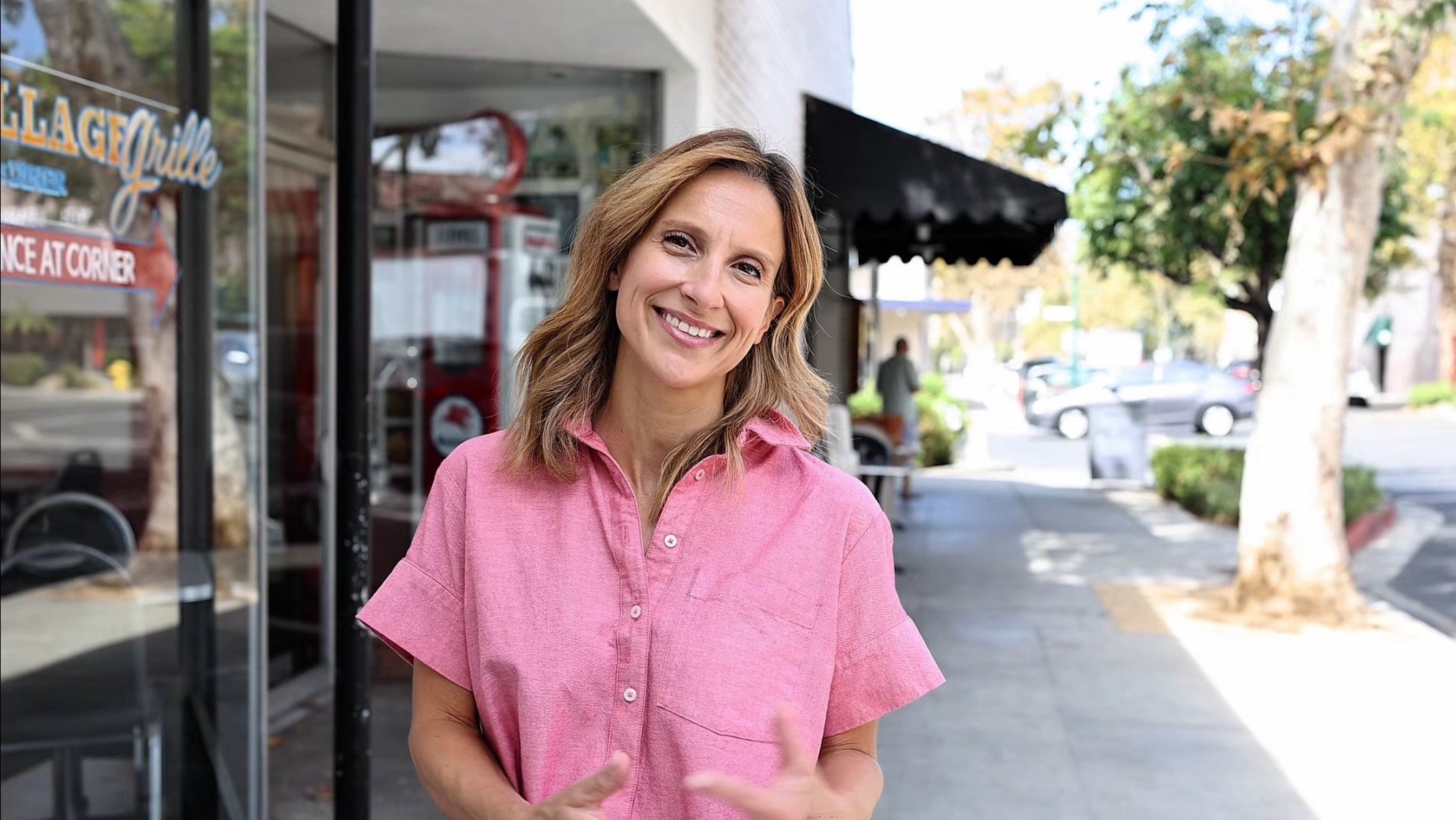
Photography Courtesy of Ragano Photo & Video ©2026
Nearly two decades of working with cities has taught me that turning community priorities into real results takes more than a good idea. It takes understanding the problem, listening to the people affected, navigating real constraints, and knowing how to move from policy to implementation.
That’s the work I’ve spent my career doing, and it’s the experience I want to bring home to Claremont. I want Claremont to remain a place where people can build a life, feel connected to their community, and know that their City is planning responsibly for the future.
Housing is one place where I’ve already brought my professional experience into a local policy conversation. Housing and homelessness have been a significant part of my work with cities, and that experience has taught me that difficult housing problems rarely have a single solution. Earlier this year, I sat through the City Council’s discussion of rent stabilization and listened to renters describe the strain of rising rents on already-tight household budgets. I also heard small property owners talk about rising insurance, maintenance, and other costs.
Those competing pressures stayed with me. At the September 8 study session on inclusionary housing, I encouraged the Council to think creatively about how housing in-lieu funds could be used to help with housing stability. One idea I raised was providing low-cost or forgivable loans to owners of smaller rental properties for needed repairs in exchange for keeping those homes affordable for an agreed period. That could help owners maintain aging properties while preserving rental homes residents can afford. The Council’s direction to staff specifically included exploring such “creative uses to help housing stability.”
To me, that’s what good local policy should look like: listening closely, understanding the pressures people are facing, and looking for practical ways to use the tools we have.
Walking and biking have also been important to me for as long as I’ve lived in Claremont. One of the things that made me fall in love with this community was the walkable Village and the ability to get around without always getting in a car. As a parent, that matters even more to me now.
That’s why I advocated for the City’s recent speed-limit reductions and have spent time talking with residents, advocates, and City staff about the streets and intersections people are most concerned about. In doing that, I learned that Claremont’s neighborhood traffic-calming process can require residents to help pay for physical safety improvements on their own streets.
I’d like to change that. Decisions about where traffic calming is needed should be based on safety, collision data, and what we hear from residents, not on whether a neighborhood can afford to pay for it.
For me, the goal is not just identifying a problem, but understanding what’s getting in the way of solving it. That same thinking applies to how we use the City’s resources: protecting our financial stability while also taking care of the public assets we already have.
I’ve tried to bring that same approach to our parks and public spaces. My advocacy around Lewis Park focused on making sure residents had a real voice in shaping the project, and it reinforced for me how important it is to involve the people who actually use our public spaces early enough to influence the outcome. I believe that model should guide park planning across Claremont, so residents have meaningful opportunities to help shape improvements in every neighborhood.
More recently, I’ve been listening to local sports organizations as they share their experiences with field conditions, lighting, and usable field time. Their perspective helps us understand where our public spaces are falling short and where improvements would make the greatest difference. Good planning isn’t about spending more for the sake of spending. It’s about looking ahead, setting priorities, and making thoughtful choices about where limited resources will have the greatest impact.
Housing, street safety, and our public spaces may seem like very different issues. But the work behind them is often much the same: listen to the people affected, understand how the City works, identify the tools available, and figure out how to turn a community need into something practical.
That’s been the work of my career. For nearly two decades, I’ve helped cities navigate competing needs and real-world constraints, bring different perspectives together, and move from priorities on paper to policies and programs that can actually be implemented.
Here in Claremont, I’ve tried to work the same way: do the homework, listen carefully, understand the tradeoffs, and stay with an issue long enough to get something done.
I want to help Claremont take care of what we have, make thoughtful choices about what comes next, and make sure residents have a real voice in shaping those decisions.
That’s the experience I want to bring home to the City Council.
Anna Jacobsen is an urban planner, public policy professional, and small business owner with experience helping cities address housing and homelessness, long-term planning, community engagement, and public-space investments. She is a candidate for Claremont City Council District 4 and lives in Claremont with her husband and three children.
Editor’s note: Anna Jacobsen is a candidate for Claremont City Council District 4. All candidates in Claremont’s contested City Council races were invited to submit an op-ed under the same guidelines. The views expressed are the author’s own.


