Claremont is a city with a remarkable ability to bring people together. We may not agree on every issue, and we should not expect to. But across neighborhoods, generations, professions, and political viewpoints, I hear the same hopes: residents want safe streets, well-maintained parks and sidewalks, a thriving Village and local business community, responsible growth, and a City Hall that listens and communicates clearly.
That is why I am running for Claremont City Council in District 4. I was raised next door in Pomona, but Claremont has been part of my life for as long as
I can remember. As a child, I visited Wheeler Park and the Village with my mother and grandmother. I attended Claremont High School, had my first job here as a teenager, and learned early how much a community’s character is shaped by the people who choose to serve it. Ten years ago, my wife, our two sons, and I moved into a fixer-upper in Claremont. It was a dream fulfilled: the opportunity to raise my family in the community I had admired for years. But roots alone are not a qualification for public office. What matters is how we serve and what we are prepared to do.
I have tried to give back through service on the Sumner Danbury Elementary School Site Council, the Police Station Citizens Advisory Committee, and the Claremont Police Commission. I also have worked with fellow residents to identify practical opportunities to strengthen City revenue. These experiences have reinforced a simple lesson: good local government is not about slogans. It is about listening carefully, understanding tradeoffs, setting clear priorities, and following through.
My professional career in film and television has also prepared me for this work. I have led creative teams, managed complex projects, worked within budgets and deadlines, and brought people with different perspectives together around a shared goal. City Council requires many of the same skills: collaboration, disciplined decision-making, honest communication, and a willingness to solve problems instead of simply talking about them.
My vision for Claremont is grounded in the everyday work that makes a city livable.
First, we must protect our neighborhoods. Claremont’s character comes from its people, its tree-lined streets, its parks, its schools, its historic areas, and the sense that residents have a real voice in the decisions that affect their homes. We can meet our legal housing obligations while still insisting on thoughtful planning, appropriate infrastructure, safe streets, meaningful neighborhood notice, and designs that fit the community. I support sensible infill, accessory dwelling units, affordable-housing opportunities, and senior-friendly housing options. But I also believe that projects should address traffic, parking, water, drainage, public safety, accessibility, and community benefit before they are approved.
Second, public safety must remain a core City responsibility. Every resident should feel safe at home, in the Village, at our parks, and on our streets. That requires a well-trained, properly resourced Police Department, strong relationships between officers and the community, effective emergency preparedness, traffic safety, and transparent oversight. It also requires us to recognize that safety includes more than police response. Good lighting, maintained sidewalks, safe crossings, clean public spaces, and visible attention to recurring problems all help residents and businesses feel secure.
Third, Claremont must take better care of what it already owns. Potholes, damaged sidewalks, aging park equipment, drainage problems, neglected gateways, and deferred maintenance may not sound glamorous, but they matter. They affect safety, mobility, property values, local business activity, and residents’ confidence in City Hall. I will advocate for proactive, publicly visible maintenance plans for streets—including taking care of potholes—sidewalks, parks, drainage systems, and City facilities. Residents deserve to know what projects are planned, why they are prioritized, how they are funded, and when they will be completed. Fourth, we need a compassionate and accountable response to homelessness.
Preventing housing instability should be a priority whenever possible. People experiencing homelessness need practical connections to shelter, housing navigation, behavioral-health care, treatment, and other services. At the same time, residents and business owners deserve clean, safe parks, sidewalks, and commercial areas. These goals are not in conflict. Along the Foothill Corridor and elsewhere, I will support coordinated work among City staff, regional partners, service providers, property owners, and law enforcement to improve conditions through outreach, service connection, cleanup, and lawful accountability.
Finally, we need fiscal responsibility and transparency. Claremont residents should not have to search through long meeting agendas to understand how taxpayer dollars are being used. The City should plan carefully, protect reserves, pursue grants and partnerships where appropriate, maintain infrastructure before small problems become expensive failures, and provide clear public reporting on major maintenance and capital projects. Transparency is not just a value; it is a practical tool for building public trust and making better decisions.
This campaign is powered by Claremonters for Claremont: local voices, local donations, and local commitment. My supporters include longtime residents and newer neighbors, people with different political views, parents, seniors, business owners, educators, public-safety supporters, and residents who simply want their City to work well.
I am running to focus on Claremont’s real challenges and opportunities. I will work within state law and with our state representatives when necessary, but I will also use every lawful local tool available to protect meaningful public input, neighborhood livability, public safety, infrastructure capacity, open space, and the character that makes Claremont special.
Claremont’s future should be shaped by people who live here, work here, raise families here, operate businesses here, and care deeply about what comes next. I would be honored to earn the trust of District 4 voters and to serve our community with compassion, competence, common sense, and accountability.
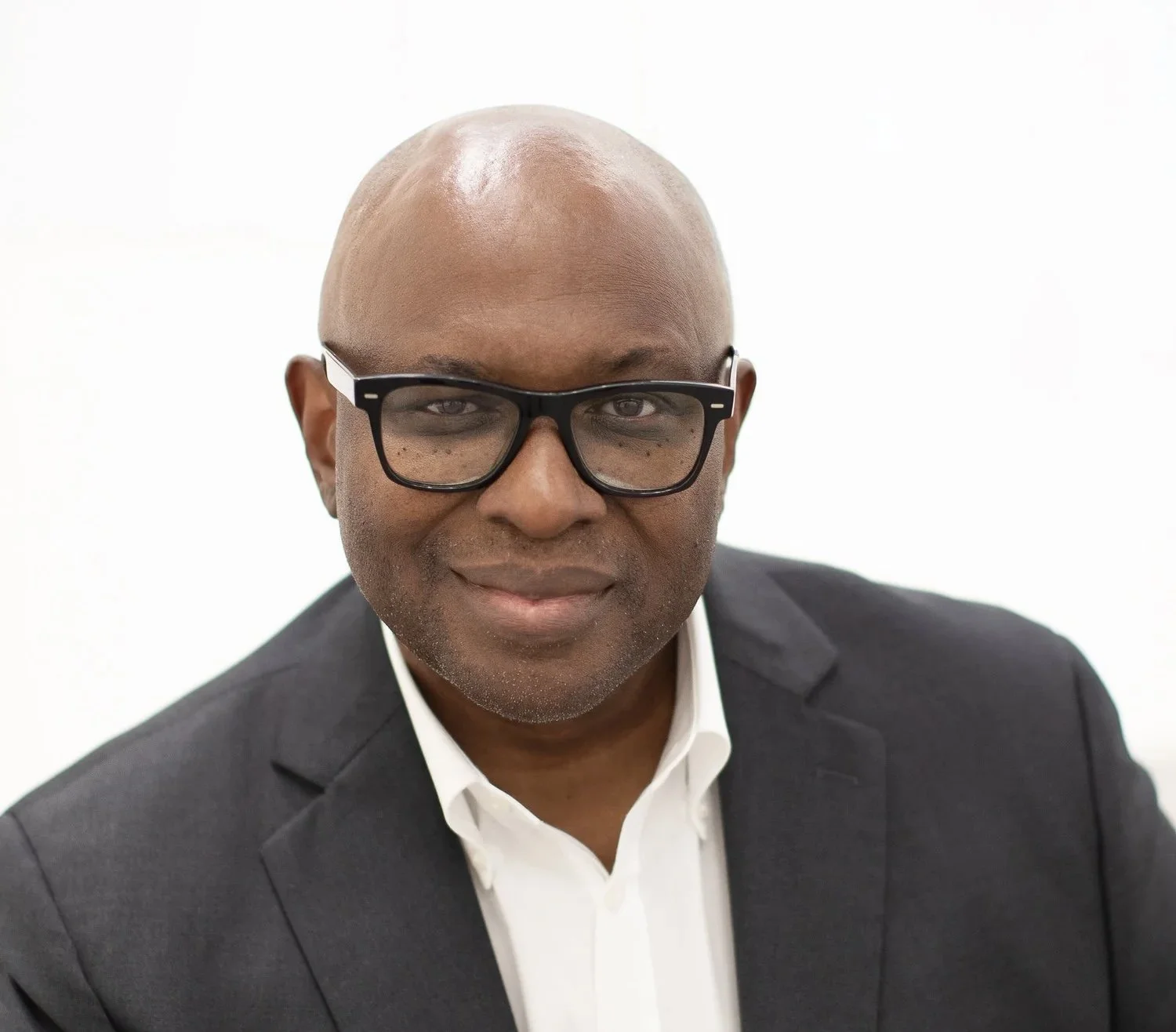
Aundré Johnson is a film and television professional who has served on the Claremont Police Commission, the Police Station Citizens Advisory Committee and the Sumner Danbury Elementary School Site Council. Raised in Pomona, he attended Claremont High School and now lives in Claremont with his wife and two sons. He is a candidate for Claremont City Council District 4.