DRAG Loss

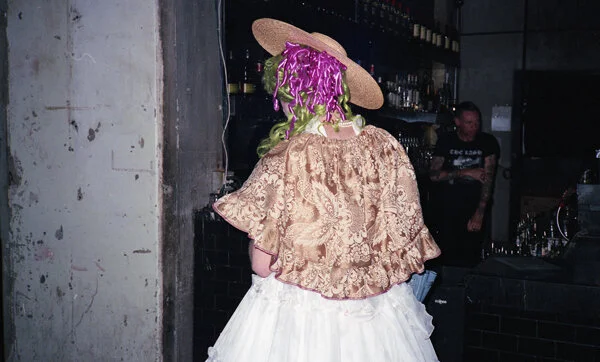
Image Courtesy of Amy Zapata

Image Courtesy of Amy Zapata

Short Story & Photography By Amy Zapata
San Bernardino, CA

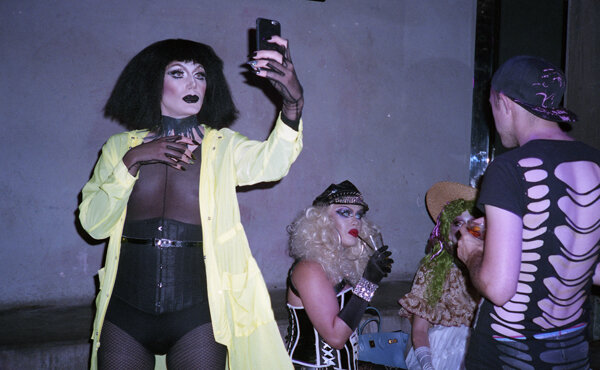
In the four years, I have taken photos of the DTLA drag scene. An assorted collection of images and video footage of artists and places, an archive from places that are now closed, from performers that have moved or retired. Remembering nights at bars, watching Ursula Major perform as I staple dollar bills to her arm, watching the blood trickle down. I have seen burlesque dancers capture the attention of audiences. Witnessing short-lived nights and performers creating spaces for other artists, trying to house a place for their fellow Queer performers. Sissy Spastik, who no longer performs, added her Chicago flair to the DTLA scene. Sissy’s look and makeup still some of the best I have ever seen. Memories are created in those moments, when the moments end the photos are what is left.

A part of being an artist is showing up. Being a photographer is bearing witness, documenting what is there, what others are missing, what will never be again. Even in the still, change is the constant. Having spent most of my time this year at home, the times I have driven through Los Angeles, I start to see all the changes that I have missed. Like so many of us, drag performers have adapted. The movement towards digital video performances has given way to a different way to connect, to perform. My brother, the drag artist Jean Decay and other DTLA drag artists made the shift to digital drag nights, and instead of the still images, I once took it now helping film videos 6 ft apart. My participation is tied to the creation of the performances. Showing up means collaborating on ideas, pushing what can be achieved in this new landscape. When this is over, it will be a digital collection of works from that year when we all stopped.


Image Courtesy of Amy Zapata

Image Courtesy of Amy Zapata

Losing the ability to show up, we are perpetually missing out. There are moments happening, unable to be captured that will always be lost. There is something to be said about loss, it makes bearing witness that much more important.  

WHY DO WE CONTINUE TO DEMOLISH AND TRY TO BAND-AID OUR WAY OUT OF BLIGHT?

Illustration Rebecca Ustrell  Concept Julian Lucas

Illustration Rebecca Ustrell
Concept Julian Lucas

Photography Julian Lucas 2020

Photography Julian Lucas 2020

Text & Photography Julian Lucas
Published January 5, 2020 7:13am PST
Updated 01/20/2020
Updated 2/14/2023
Illustration Rebecca Ustrell

I regret to inform you, another cool-ass building with potential has been taken from us. The act of demolition resulted in yet another empty lot. I even left a couple of voicemails inquiring about the space and my call wasn’t returned. 1377 was actually demolished over the summer months. It sure did hurt my feelings, as I am a Mid-Century Modern aficionado.

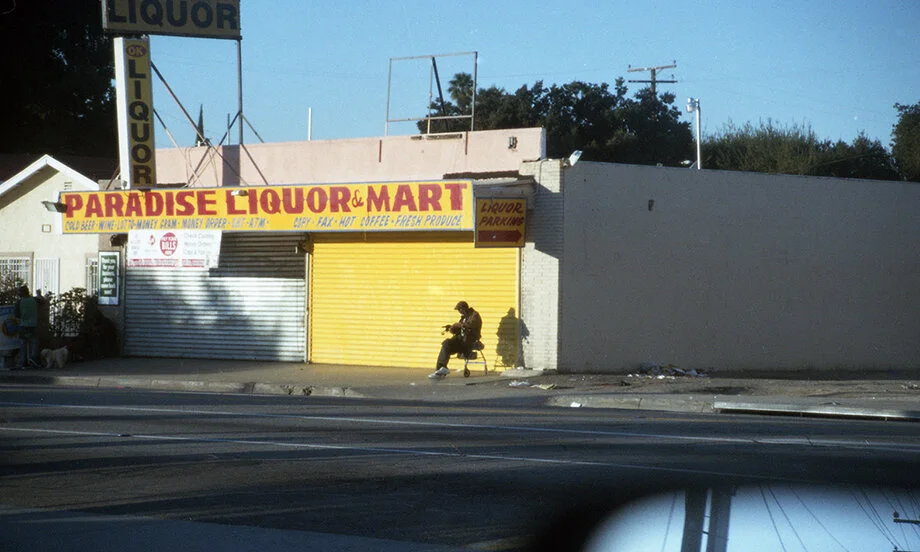
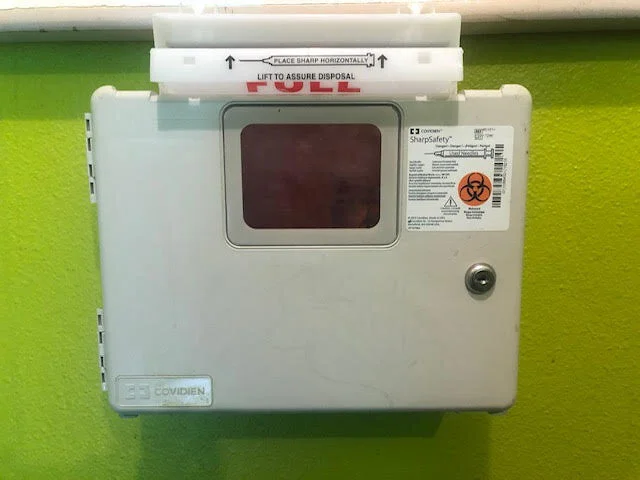
Built in 1954 and zoned for office use the building was used as an orthodontist who we learned passed away. Naturally, 1377 became a place for squatters and people who had an addiction. Hmm, to think if only we had real affordable housing and if we really believed in HARM REDUCTION, then squatters wouldn’t squat and there would be a nice place for people to get high without trespassing on private property. But, since Pomona would never come to grips of having a safe injection site for people with an addiction, we will continue down the road of squatters and haters.  


Why do so many older buildings face demolition in Pomona while others are pardoned from the bulldozer? Who decides and why isn’t anyone stopping the creation of empty lots?

The Historical Society of Pomona Valley is a non-profit historical society, which is a museum based organization with no legal power. The HSVP has been successful at designating buildings as historical and has advocated for buildings as well however, the powers that would be would be the Historic Preservation Commission. The Pomona’s Historic Preservation Ordinance passed in the 1990s, which stated any application to demo buildings built before 1945 has to be presented before the commission. Currently there is an ad hoc committee that has been established to change the rule to 50 years so Mid Century buildings and other design types as they become older.

Until this rule is changed, buildings built during the 50’s or after can be torn down, at the land owner’s discretion. And if you think the city will help, good luck. Usually developers and city people don’t give a rat’s ass about what the community wants.

There are few safeguards for this kind of thing. Many city staff don’t live in the city so nothing is of value to them, and developers are just there to make a profit.

Photography Julian Lucas 2020

Photography Julian Lucas 2020

Anyway, the building could have been a dope ass coffee shop or a cool ass bakery. We need to be operating towards a vision of today, not 1989. We need sustainable businesses that everyone can enjoy. We need to make an effort to hold commissioners and city leaders accountable. We can’t continue to tear down and put a band-aid over blight.

Links
Safe Injection Sites
Harm Reduction

It is now February 2023, all of the debris from the demolition was cleared and hauled away creating yet another lifeless lot in the city of the Pomona. Maybe housing? Maybe another fast-food chain? Who knows, maybe we’ll wait another 3 years before theres life again.


Julian Lucas, is fine art photographer and photojournalist. Julian loves to create images that evoke emotions. Julian has lived in Chicago, Inglewood, Portland, and the suburbs of Los Angeles County.