Sex

The Beautiful Bush Contest of 1970 Revisited

There was a time, not too long ago but long enough, when pubic hair was just… there. You didn’t do anything to it. You didn’t talk about it. It existed because bodies exist.

Nobody shaped it. Nobody cared about it. Waxing was used for cars. There was no pressure to remove it. The whole area was private in the way things used to be before everyone started thinking in photos.

Back then, nobody cared enough to split hairs over what counted as “clean.”

But then things changed. Men started expecting it. Porn turned that expectation into a rule. A shaved pussy became normal, even required. It wasn’t about desire anymore, it was about control, comfort, and being seen as clean. Women, began to internalize it and amplified the idea, through pop culture, magazine advice columns, even among friends, that a shaved pussy was cleaner, sexier, more modern. We’ve been taught by society, like razor and laser hair removal ads that being hairless means being clean. But medically, that’s shaky at best. Pubic hair also plays a protective role. It helps reduce friction, acts as a barrier against bacteria and other pathogens, and may lower the risk of STIs and skin irritation during sex. According to the American College of Obstetricians and Gynecologists, pubic hair exists for a reason — it protects sensitive areas and should be maintained, not necessarily removed. Healthline and PubMed Central echo the same: grooming preferences may be cultural, but the health functions are biological.

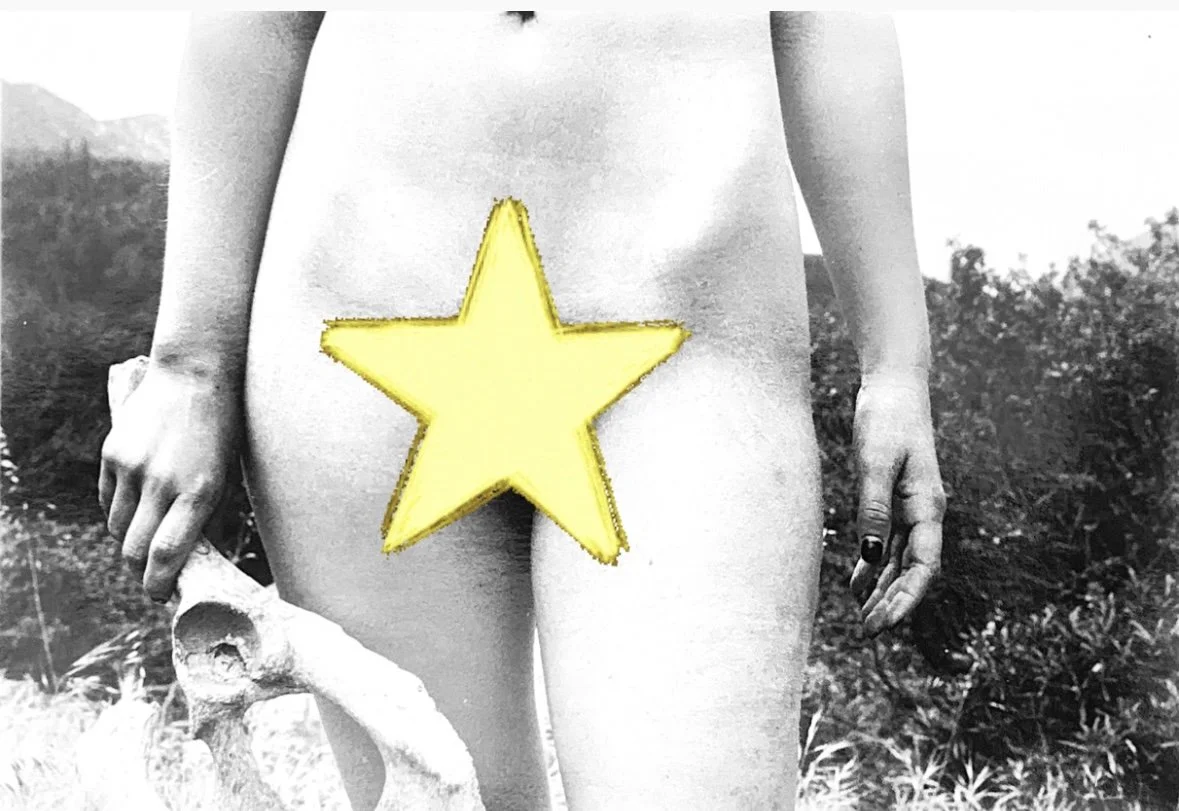
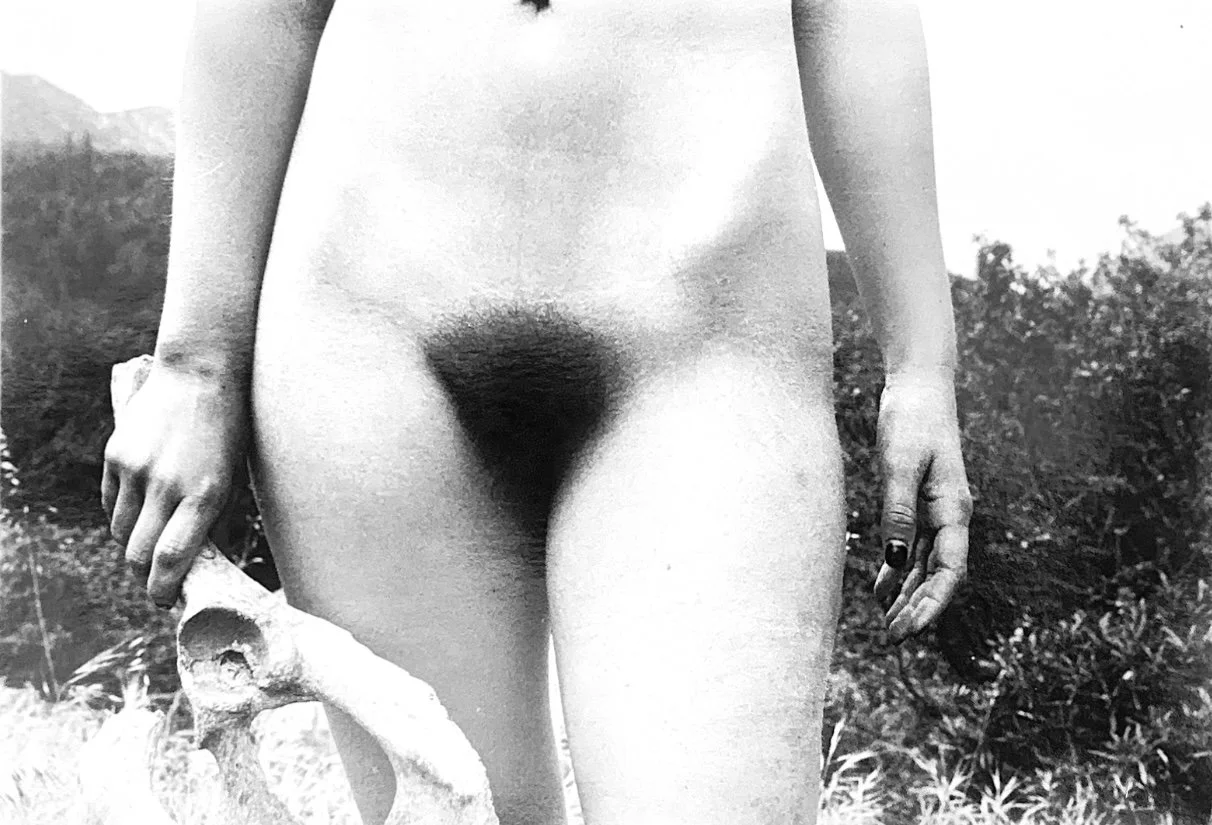
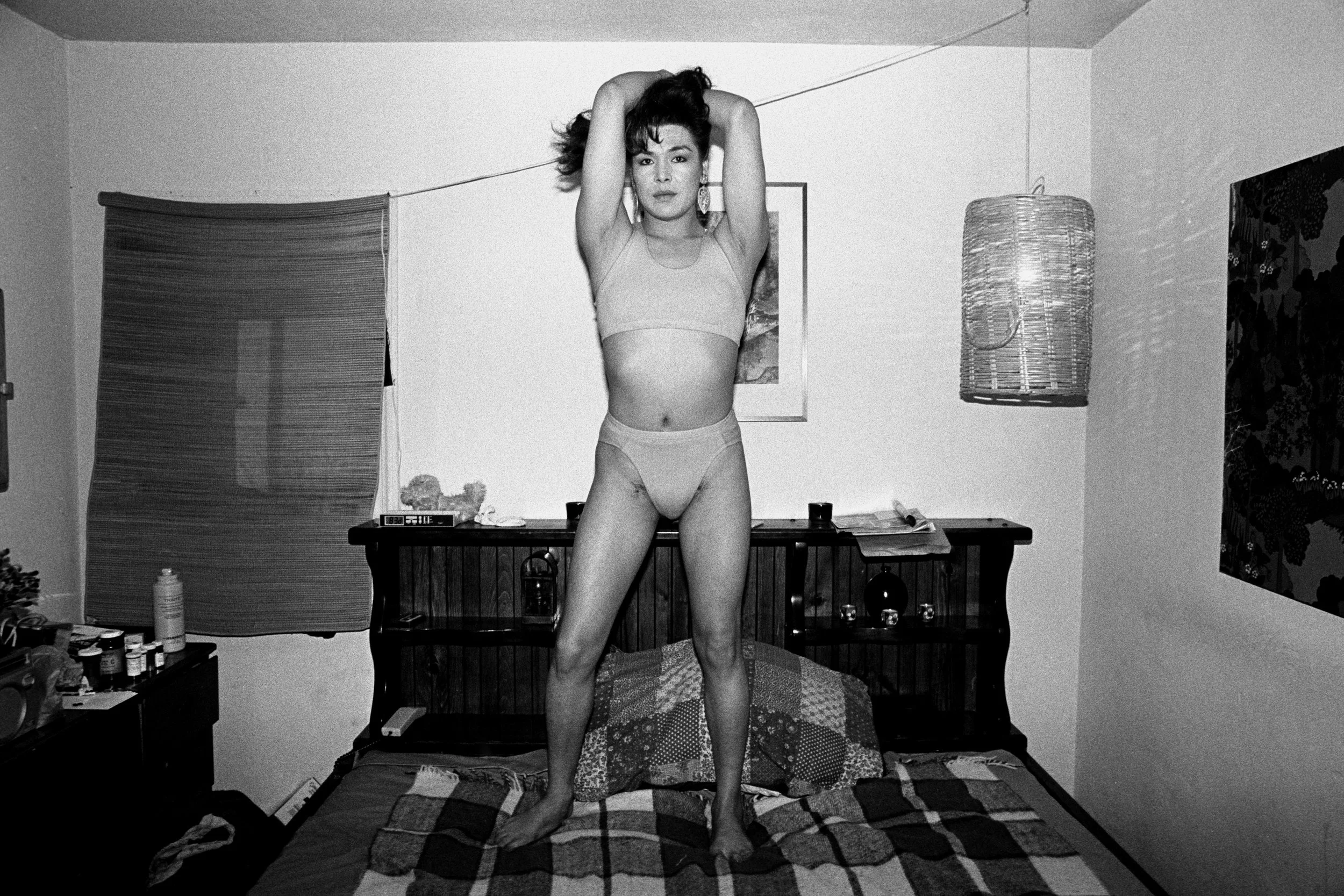
Photography Courtesy of Julian Lucas 2015

Women realized razors caused hair bumps and some skin irritation, so then came waxing, and soft pink, trimmers with rounded edges and names that sounded like fruit. Smooth skin became the aesthetic baseline, not even sexy, just expected.

But like anything erased too thoroughly, the bush started coming back.

It didn’t come back with a press release or a Pinterest board. It crept in through the back door, a little stubble in an art school zine, a photo set from a softcore Tumblr page. You’d see it in Model Mayhem shoots. Sometimes deliberate. Sometimes accidental. Sometimes the result of simply not caring anymore.

And decades before all of that, Screw magazine saw it, and printed it.

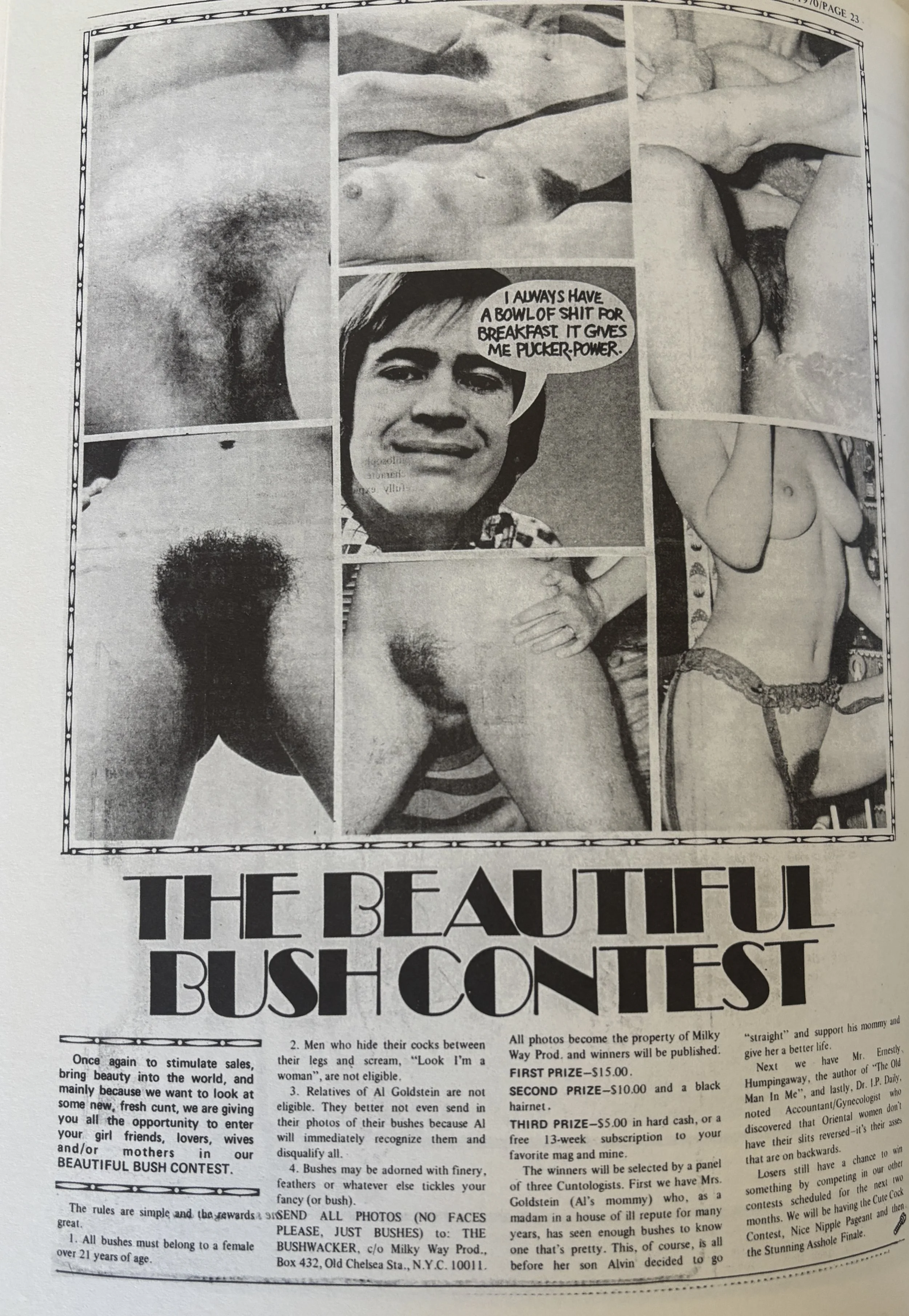
In 1970, Screw ran what it called The Beautiful Bush Contest. The offer? Mail in a photo of your pubic hair (no face, please). Just the pussy, please, nothing that might give you away. Winners would get fifteen dollars and a free subscription to one of the raunchiest, loudest sex papers in the country.

It was put together by men. Judged by men. The rules were crude. The tone was even cruder.

But the submissions were real.

Unshaved. Unfiltered. Full-frontal honesty printed in black and white on coarse, low-grade newsprint. Some entries were careful, some casual, some blurry. Most were likely taken in a bathroom mirror or on a borrowed camera, developed with the kind of trust you don’t find anymore.

Was it exploitative? Sure. But it was also a record. A paper trail of bodies that didn’t conform to today’s polish. Hairy, fleshy, a little imperfect, an honest pussy, not a polished product. And because it wasn’t trying to be feminist or aesthetic or cool, it stumbled into something else entirely: proof.

Some readers will call it objectifying. And they wouldn’t be wrong. But these women weren’t performing. They weren’t smiling for approval. They sent in anonymous photos of their bodies, at a time when showing that much was still considered obscene.

Screw Magazine, 1970

It’s uncomfortable. But it’s also documentation. It’s what culture tried to hide, and what some women decided to show anyway.

All that was missing, and most definitely needed, was their own individual identity. That alone would have broken down the patriarchy.

I keep thinking about the woman who mailed that photo. Did she laugh while sealing the envelope? Did she hesitate? Did she take three shots and pick the best one?

There’s something quiet in that act. Not shame, not pride, just a kind of gesture. Here I am.

And maybe she didn’t care about winning. Maybe she just wanted to be seen in a world where bodies were either hidden or handled like merchandise. No branding. No face. Just the most intimate part of herself, her pussy, submitted without polish.

We don’t need to bring back the contest. But we should remember what it made possible. A small, messy moment of control. The decision to be visible on your own terms.

That still matters.

The pussy never needed permission. It only needed context.

In Dazed’s Autumn 2025 editorial, every bush is clean, centered, and styled with the same care as the coats, hats, or heels. It’s not an accident. These models are wearing their pubic hair like it’s couture, as composed and directional as a shoulder pad or hemline. Not natural, not rebellious, intentional. Fashion, not flashback.


Roux writes about sex, power, and intimacy with sharpness, humor, and a refusal to look away.
Pomona Is Horny But—Not Healthy

A city full of sex, but starved of intimacy, infrastructure, and honesty.

Illustration Julian Lucas ©2025

There are a lot of things Pomona has come up short on, affordable housing, street maintenance, functioning city council meetings. But sex? Not one of them.

If local birth rates are any indication, people in Pomona are still having sex frequently. And while California’s birth rate is in freefall, Pomona stubbornly remains more fertile than most. Proof that people are clearly having sex, even if the city would rather host one of its 100-plus church services or fundraise for another banquet hall than admit it.

According to LA County Public Health, Pomona’s birth rate clocks in at 15.3 per 1,000 residents, higher than the county average of 13.2. Among teens, it’s even starker: 27.6 per 1,000 girls aged 15 to 19, compared to 18.9 countywide. That’s not just a statistic, it’s a mirror. A reflection of what happens when a city avoids honest conversations about sex, desire, and health.

But while Pomona might be fertile, it’s far from sexually free. Because for a city that’s clearly having a lot of sex, it’s remarkably bad at talking about it, let alone building infrastructure to support the kind that’s consensual, safe, joyful, or non-reproductive. Quantity doesn’t equal quality.

Let’s not confuse high birth rates with high standards of sexual health. While people are clearly connecting, Pomona still treats sexual wellness like it’s a hobby for coastal elites. There’s no civic blueprint for intimacy. No pleasure-positive clinics. No public campaigns around consent. No queer-affirming sex ed. And so, people navigate sexuality in silence, shame, or complete misinformation.

You can buy a pastel vibrator at Target now, but try finding a doctor who won’t flinch when you mention using it.

It’s a wellness failure. You can’t find a decent salad within city limits. And no, the ‘salad bar’ at the all-you-can-eat buffet doesn’t count unless you think pre-shredded iceberg soaked in preservatives is a vegetable. That’s what happens when a city neglects care, not just for bodies, but for connection. We don’t talk about sexual health as joy or nourishment. We talk about it, if at all, as a risk. As pathology. As something to survive.

Holt Avenue Has a History—Whether You Admit It or Not

Any honest conversation about sex in Pomona has to include Holt Avenue. Known as “The Blade,” this stretch has been an economic undercurrent for over a century. In the 1920s, when Pomona was a booming citrus and rail hub, the city was already home to brothels and independent workers.

Yet some longtime residents insist sex work “started” in the 1960s, right around the time Black families began arriving after the Watts Uprising. This wasn’t about chronology. It was about visibility, and discomfort with who gets to be seen, heard, and policed.

Sex work didn’t begin with Black and brown residents. It simply became harder to ignore. And when visibility makes people uncomfortable, history will usually get rewritten.

Pomona didn’t inherit repression, it invented its own after white flight. It just got better at outsourcing the blame.

Sex Ed in a City That Barely Teaches Civics

Only 68.5% of Pomona adults over 25 have a high school diploma, nearly 10% below the LA County average. That gap doesn’t just show up in job markets or college stats. It shows up in how we teach (or don’t teach) people about bodies, boundaries, and intimacy.

Pomona Unified’s sex ed, when it exists, still smells like 1990s abstinence pamphlets. It’s medically outdated, culturally tone-deaf, and structurally evasive. In that vacuum, porn becomes the curriculum, and it’s a bad teacher.

Most students here don’t graduate knowing how to communicate desire, negotiate boundaries, or even name their anatomy. They know how to panic. They know what shame feels like. And if they’re queer, disabled, or gender nonconforming? The system didn’t write them in.

But there’s a crack in the silence.

Earlier this year, students in the AP Econ & Government class at Pomona High wrote op-eds as part of a civic engagement project. Many praised The Pomonan—yes, this one, for giving them access to honest, nuanced conversations about sex, power, and autonomy. Journalism filled the void the school system wouldn’t touch.

When the city fails to educate, the streets, the screens, or the substack step in. This time, it wasn’t Pornhub. It was The Pomonan.

Touch Starvation in a City Full of Desire

Pomona knows how to reproduce. But do we know how to connect?

In a city with over 100 churches, is anyone even allowed to try?

Touch starvation is real. Ask the elderly. Ask single mothers. Ask queer teens dating in secret, afraid of expulsion. Ask men numbed by loneliness, or women who haven’t been looked at tenderly in years. We are a city of bodies craving contact—but trained to fear it, or legislate it out of existence.

A City Obsessed with Desire—And Even More Obsessed with Controlling It

Here’s where it gets unmistakably Pomona: while bodies collide in private, the city itself has morphed into a sanctified landscape. Over 100 churches and counting. Strip malls, old garages, and warehouse corners now bear pulpits.

Faith is fine. But Pomona hasn’t just embraced religion—it’s outsourced civic life to it. Arts programs, housing initiatives, even food distribution, many now run through church infrastructure. That shift is not neutral.

When the only institutions growing are ones that frame desire as sin, repression becomes policy.

Pomona doesn’t regulate sex because it’s dangerous. It regulates sex because it doesn’t trust people to want without guilt.

So What Now?

We don’t need to moralize. We need to mobilize.

Comprehensive, pleasure-centered sex ed, rooted in real bodies, real joy, and real consent.

Free, shame-free health services, especially for Black, brown, queer, low-income, and undocumented communities.

Decriminalization and dignity for sex workers because survival isn’t immoral, and labor is labor.

Public space and language for intimacy, touch, and care.

Because Pomona doesn’t have a sex problem.

It has a denial problem. A repression problem. A problem with pleasure that no sermon can fix.

So yes, Pomona is horny.
But horny isn’t the crisis.
Pretending purity will protect us? Now that’s delusional.


Julian Lucas, is a photographer, a purveyor of books, and writer, but mostly a photographer. Don’t ever ask him to take photos of weddings or quinceaneras, or any other events because he will charge you a ton of money you couldn’t even make payments on.

How to prevent trafficking and police violence? The answer might surprise you - Decriminalization of sex work (NSFW)

By Elle Stanger
Photography By Scot Sothern
Published 02/28/2022 6:15Am PST

There exists a lot of scary media about sex trafficking, and many people are rightfully concerned about adult or child exploitation but don’t know how to help prevent it.

For decades, public health experts and researchers have published recommendations to De-criminalize sex work, and remove laws against consensual adult interactions - as a means of reducing harm and preventing human exploitation.

This answer surprises some people:How? And why not Legalization of sex work instead?

Full decriminalization of sex work means that adults engaging consensually with other adults are no longer arrestable. Police would have no legal recourse to detain, interrogate, isolate, or arrest streetworkers, immigrants, minors, or any adult working consensually. 

In a decriminalized setting, people who use force, fraud, coercion, fear, or compel minors to engage would be the only ones punishable.

Low Life Series
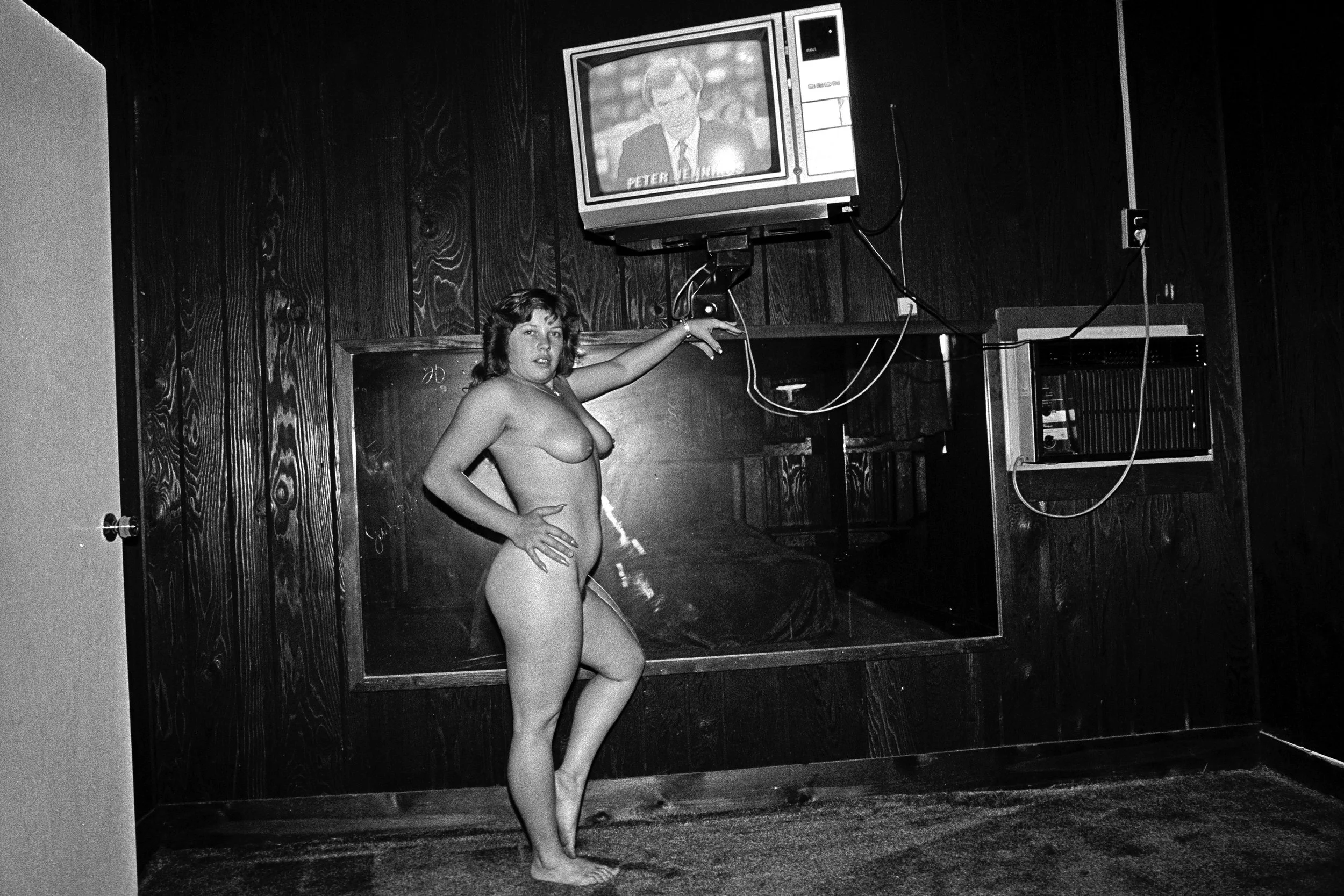
Courtesy of Scot Sothern

This would free up resources and make victims of violent crimes more likely to step forward, like Biance Beebe who reported her 2017 client-assault to police in New Zealand, which decriminalized sex work in 2003.

"A uniformed, male police officer, in front of other uniformed officers in the station, said right to my face, 'We don't care what you do for a living. No one is allowed to treat you like that. We just want to catch this guy.' And then all the other officers nodded in agreement. That happened not only because decriminalization removed criminal penalties for sex work in 2003, but also because the change in legislation meant sex work activists have been directly involved in training police on how to respond when we report a sexual assault from a client.”

Many states in America currently arrest victims of sexual assault if they are also sex-working during their assault. Nineteen states still charge minors with prostitution crimes, though by definition they are victims of trafficking, because they are under eighteen. This prevents people from reporting crimes against them.

Low Life Series
Courtesy of Scot Sothern

New Zealand saw overall positive public health and safety outcomes after their historic Prostitution Reform Act in 2003. Rhode Island saw a decrease in STI transmission and violent assaults when they accidentally decriminalized sex work for a couple decades. 

Biance Beebe knows that laws can set precedent for changes in social attitudes and practices,  “I was only willing to report my assault because sex work is decriminalized. I knew I had the right to dictate the terms of my labor, as well as the right to say no and withdraw consent when those terms were not met." 


Why not legalization? 

Legalization of sex work means that government or public officials would create rules for who/what/when/where/why could do sex work without being arrested. This can mean requiring sex workers or clients to acquire permits, licenses, or register formally, which can be dangerous, expensive and require government documentation, money, and transportation. Poor people, street-workers, immigrants, and minors don’t often have these things to furnish.

Romina Rosales is a former survival sex worker who explained to me, “If a person has to provide a SSN and they don't have one, they might have to steal one if it means being able to make money.”

Romina currently teaches harm reduction and coping skills to marginalized sex workers and organizations, and says further, “Without documents to be allowed to work in the USA, undocumented immigrants have tot resort to illegal jobs in the underworld to provide for themselves - some resort to sex work. My parents didn’t know how to navigate America, and they were abusive, so I didn't get my papers until I went to immigration prison when I was 32.”

Under legalization models: plenty of folks won’t qualify as ‘legal workers’ and will still be arrestable, detainable, harassable, vulnerable to police under a legalization model. Currently in the United States, the only people allowed to buy and sell sex legally are folks who can get hired or transport themselves to a few Nevada brothels, in remote, unpopulated areas. 

Romina adds, “Being arrested was horrible and so was everything they did to me in there. Before that time, I was buying fake IDs just to get by and the anxiety of being discovered that I didn’t have papers, and being deported or assaulted by police was horrible.”

Low Life Series
Courtesy of Scot Sothern

Decriminalization of prostitution and sex work laws will encourage victims to come forward without fear of punishment, lower STIs and violence, and re-allocate funds to addressing reported rapes and assaults.

Doug* is a would-be client with a terminal illness, a divorce, and grown children. He spends most days indoors and alone except for his cat and his social media. “I was scrolling through Tinder and matched with a lady - she said she was down to visit me for $300, and I gave her my address. Instead, two men with guns showed up at my door; it was a scam. I called 911 and when police showed up, they lectured me and said I was lucky they weren’t going to charge me with soliciting prostitution.” 

Victims of violent crimes are less likely to receive support or justice, if they too are treated like criminals.

Prohibition of alcohol and the War on Drugs criminalized the poorest people, created underground markets and trafficking operations, and ignored people’s consent to their own bodies. Anti-sex work laws do the same. Support decriminalization of prostitution laws, because the wars against sex workers is killing people.


Elle Stanger is an AASECT certified sex educator and longtime adult entertainer, and cochair of Oregon Sex Workers Committee - read their work at ellestanger.com 

Scot Sothern is a photographer and writer known for his documentary work of sex workers and the harsh gritty streets of Los Angeles. Scot seeks out areas that are unpopular or opposite of mainstream society, photographing interesting and unique people. His images are raw, striking, and illuminating, leaving the viewer with evoked emotions.